


GridOto.com ·
Spectrum Hadirkan Kaca Film Berteknologi Cip Film, Apaan Tuh?
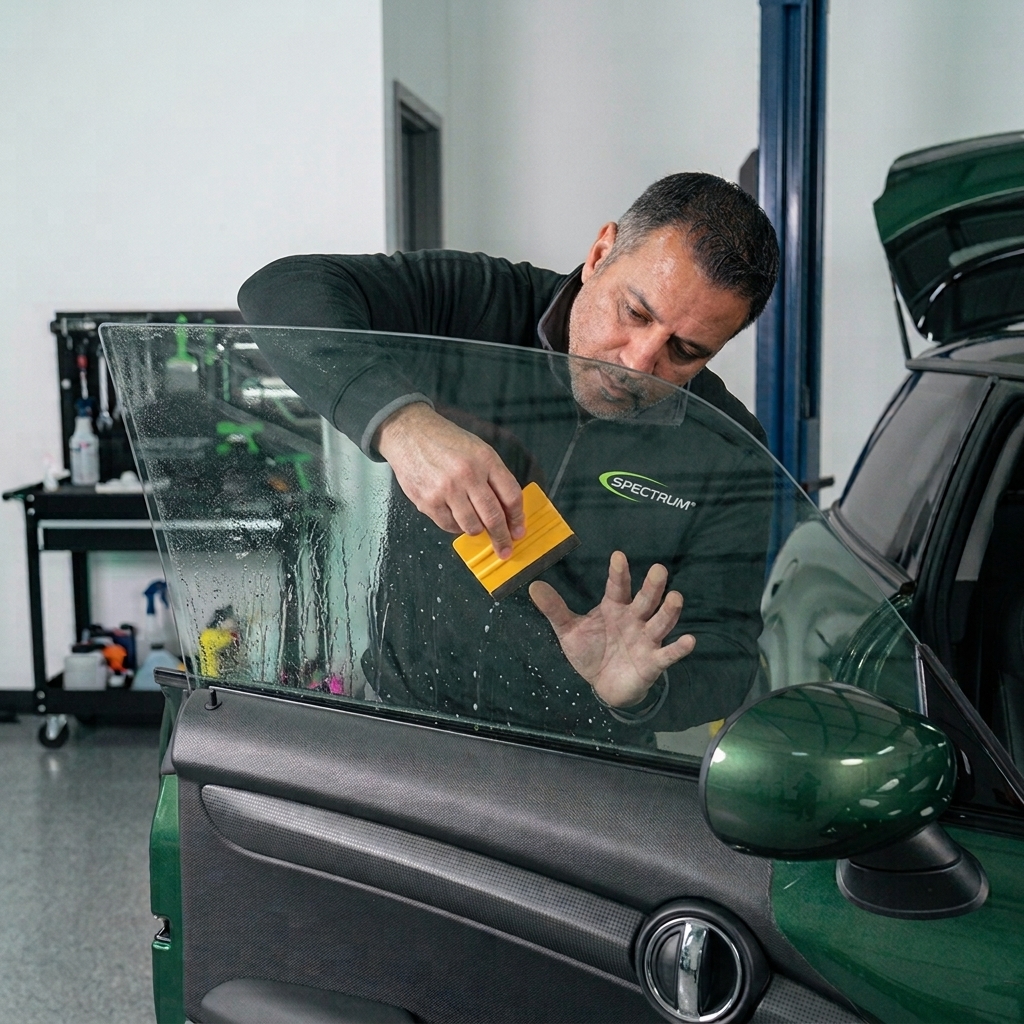
How Chip Film differs from dyed film, and why Spectrum UV 400 measures UV rejection up to 400 nanometres (UVA included).
Read on GridOto.comFrequently Asked Questions
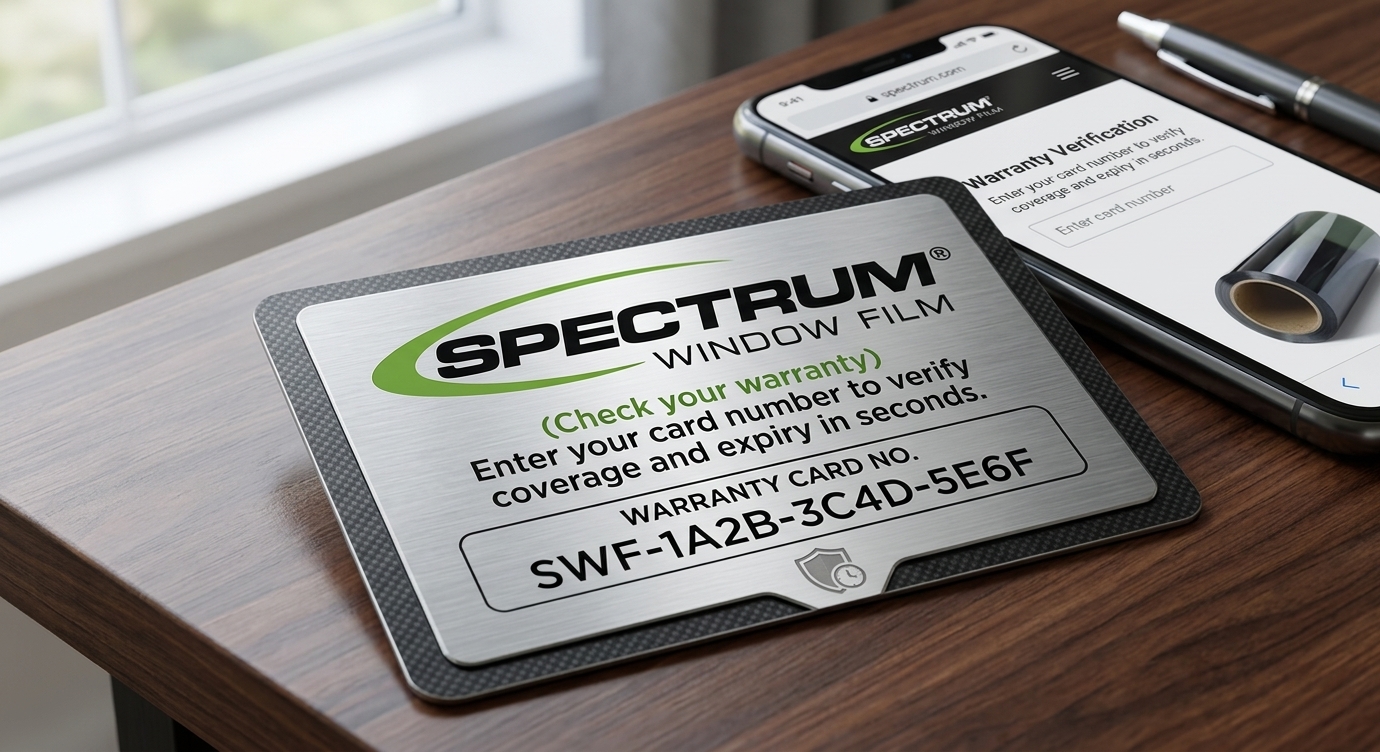
Check your warranty
Enter your card number to verify coverage and expiry in seconds.
Verify now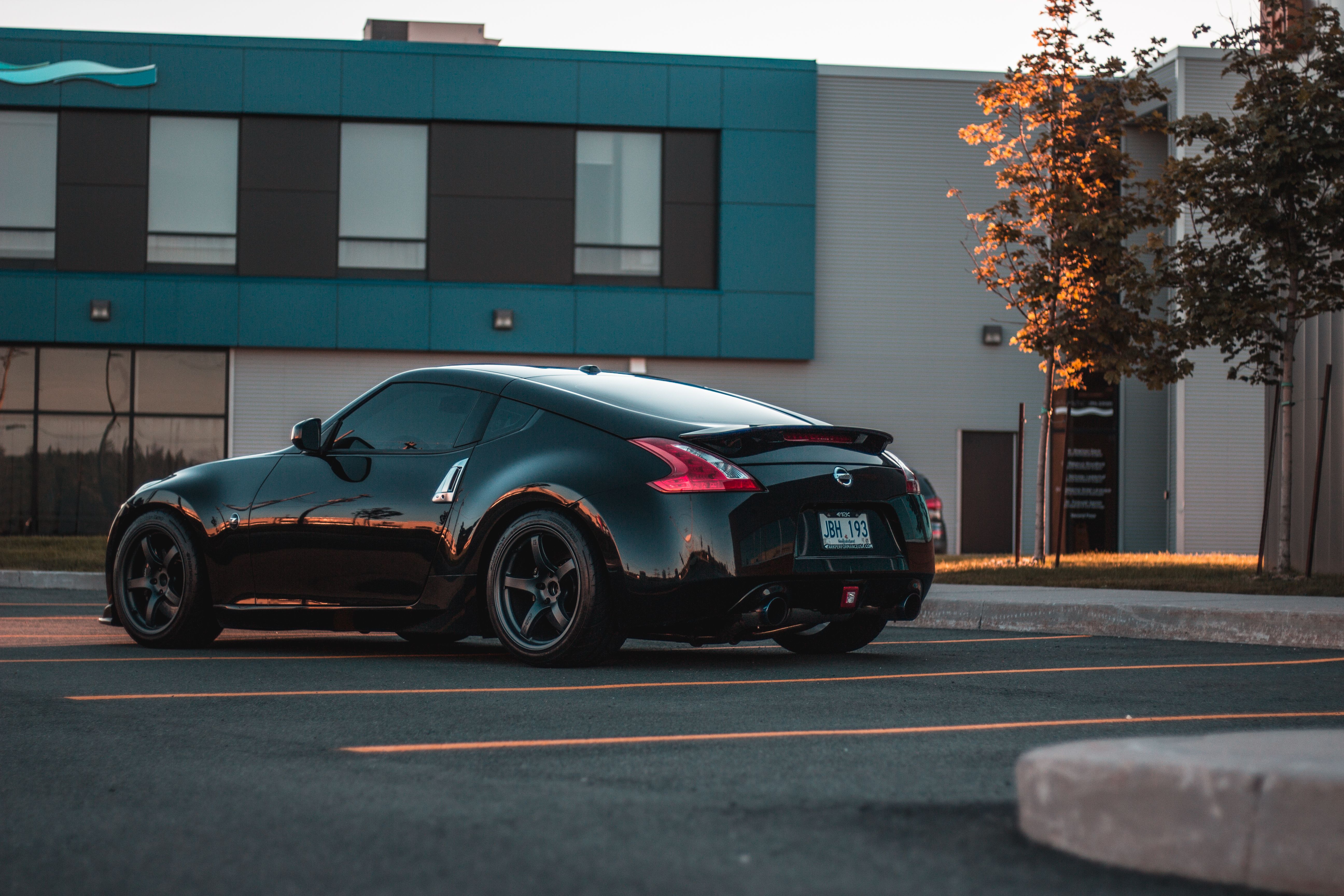
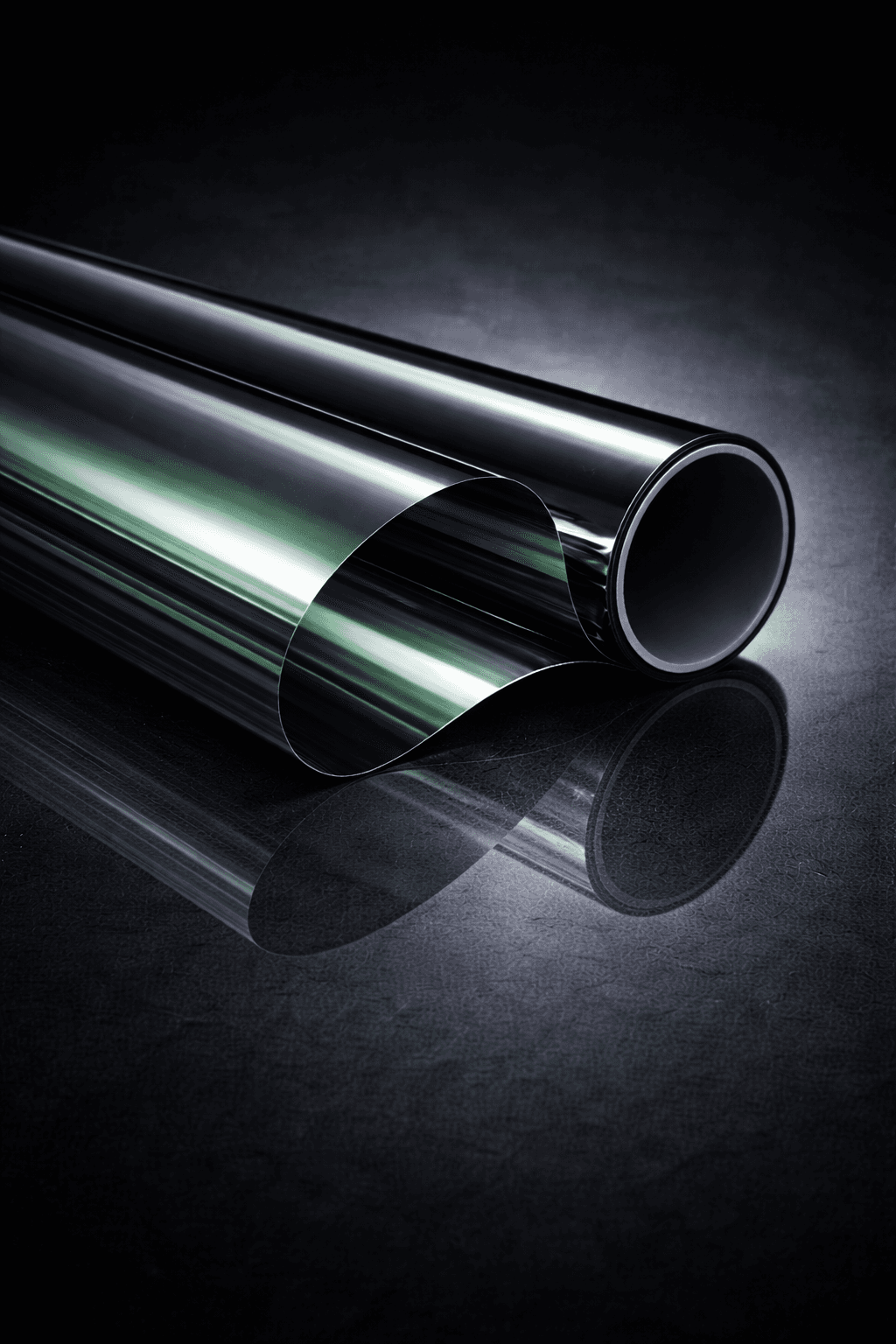
A sleek black from outside, clear from the driver's seat, and the only film we make that stops ultraviolet outright.
UV 400 is named after the number that matters. Ultraviolet runs to roughly 400 nanometres, and this film blocks the lot of it — all of UVA, UVB and UVC. That is the part of sunlight that cracks a dashboard, bleaches a headliner, hardens leather and reaches your skin through side glass on every drive.
UV 400 is a sleek black from outside — dark enough for privacy without the jet-black look of Spectrum Black — and neutral from the inside so the view doesn't take on a colour. Its Chip Technology construction disperses carbon through the film instead of relying on a dyed layer, which is why the shade you drive away with is the shade you keep. The full performance data is below, and downloadable.
Not 99 — the full stop. UV 400 is named for it: the film blocks the ultraviolet band up to 400 nanometres, which is the whole of UVA, UVB and UVC.
The sleek black reads as privacy from the street, but from the driver's seat the view stays open and neutral. No colour cast, no looking through a filter.
Carbon dispersed through the film rather than laid on as a dyed layer. It's why the black stays black: there is no dye in it to break down, so it can't fade or shift purple.
Non-metallic and non-conductive. Phone reception, GPS, Bluetooth, keyless entry and toll transponders all behave exactly as they did before.
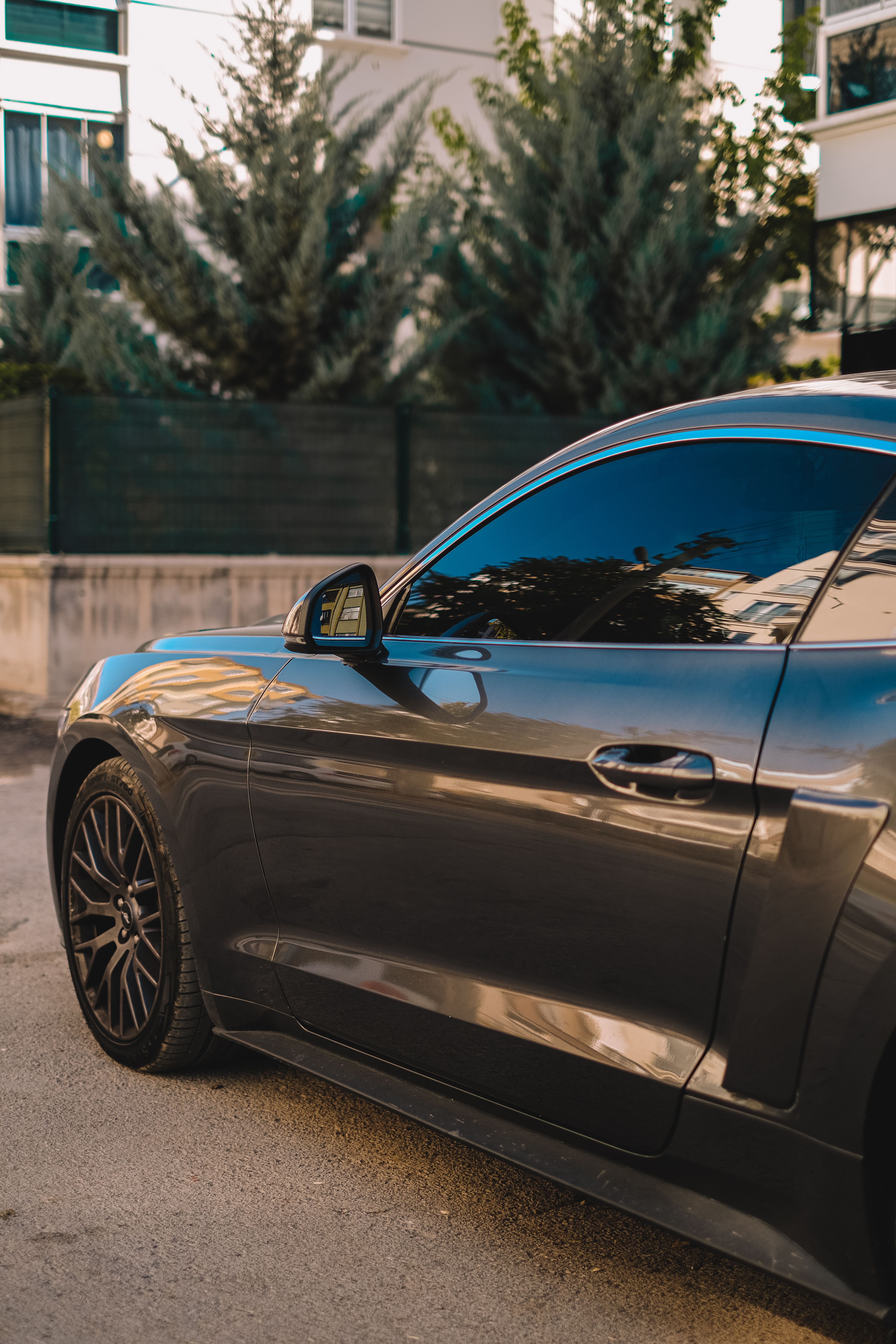
UV 400 comes in 3 shades, from 40 at 22% VLT through to 80 at 3% — the darkest film we make, so check the limits where you drive. The finish is identical across all three; only the darkness changes.
Here darker does mean cooler: total solar energy rejection climbs from 59% at 40 to 73% at 80, and infrared rejection from 54% to 75%. If maximum heat rejection is the goal, look at Spectrum NEO 80 instead.
We publish the numbers for every shade so you can compare them yourself. Download the sheet, or take it straight to an installer.
Values are measured on the film and calculated for single-pane, nominal 3 mm clear glass. Figures are taken from representative product samples and are subject to normal manufacturing variance; actual performance on your vehicle varies with the glass it is applied to.
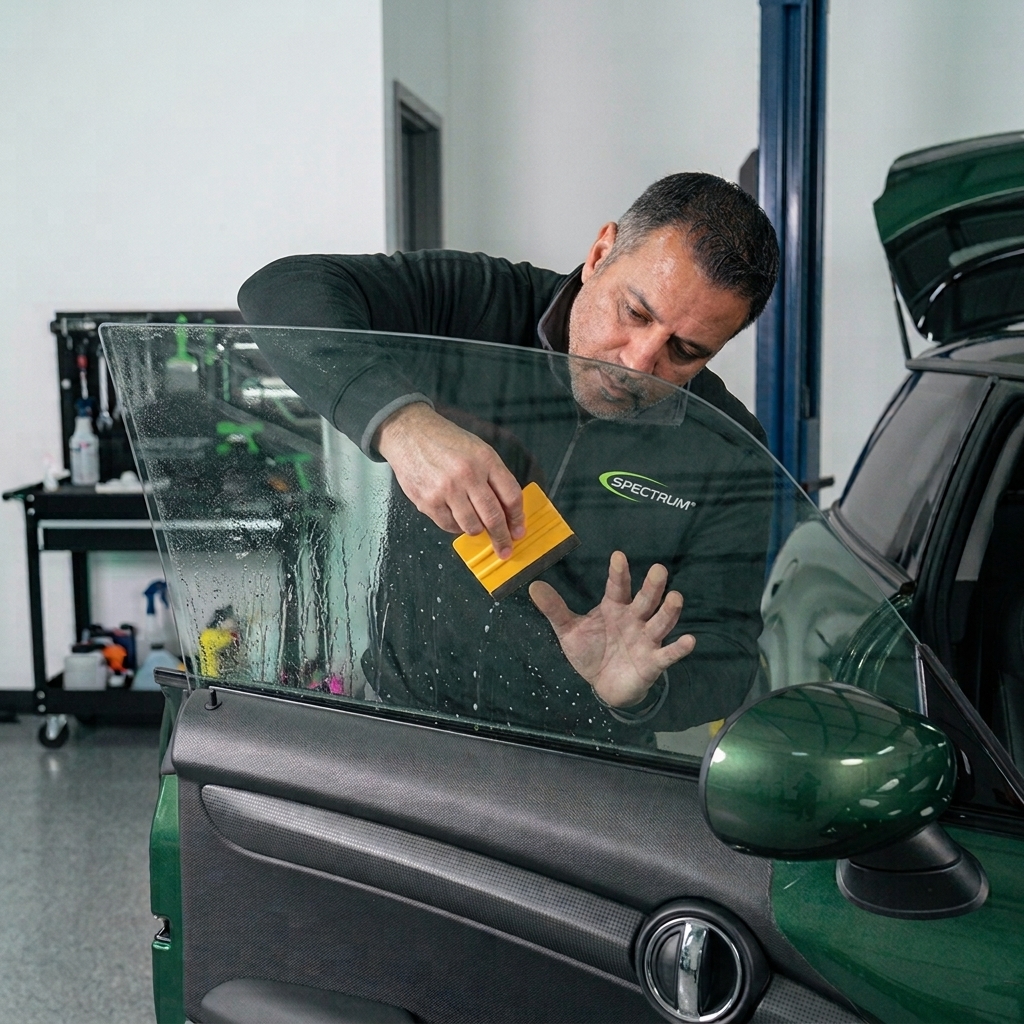
3% VLT sounds dark on paper and looks different on glass. Put each shade on the car, look out through it, then take the result to an installer.
What Indonesia's national and automotive press have written about Spectrum Window Films. Articles are in Indonesian.
GridOto.com ·
How Chip Film differs from dyed film, and why Spectrum UV 400 measures UV rejection up to 400 nanometres (UVA included).
Read on GridOto.comTempo.co ·
Read on Tempo.co“Kalau Cip Film ini dari biji plastiknya sudah memiliki warna, jadi tidak ada proses pewarnaan lagi.”
With Chip Film the colour is already in the plastic pellets, so there is no separate dyeing step.
Performance figures are laboratory values for the film itself; results on your vehicle depend on the glass. Some tint levels are restricted on windshields and front windows — ask a Spectrum installer about the rules where you drive.