

Total solar energy rejected
Spectrum Steel, our own measured figure. Every shade we sell is published, shade by shade.
Measured on Spectrum film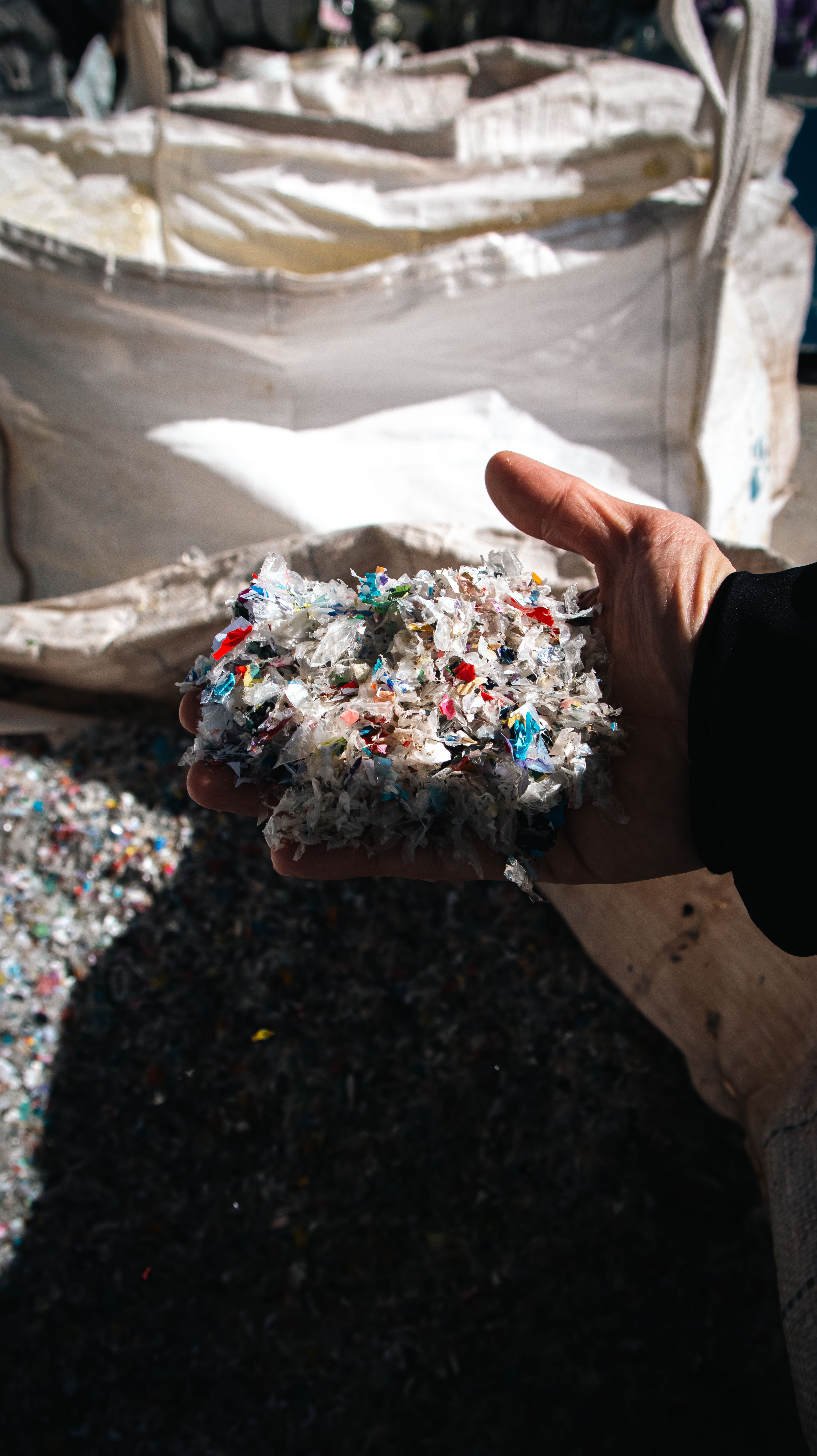
Film that cuts cooling energy for the life of the glass, on glazing you already own.
Window film is unusual among building products: reducing energy use isn't a side effect of it, it's the entire function. A film that rejects 93% of infrared is, by definition, a film that stops that heat from becoming a cooling load. Everything on this page follows from that one fact.
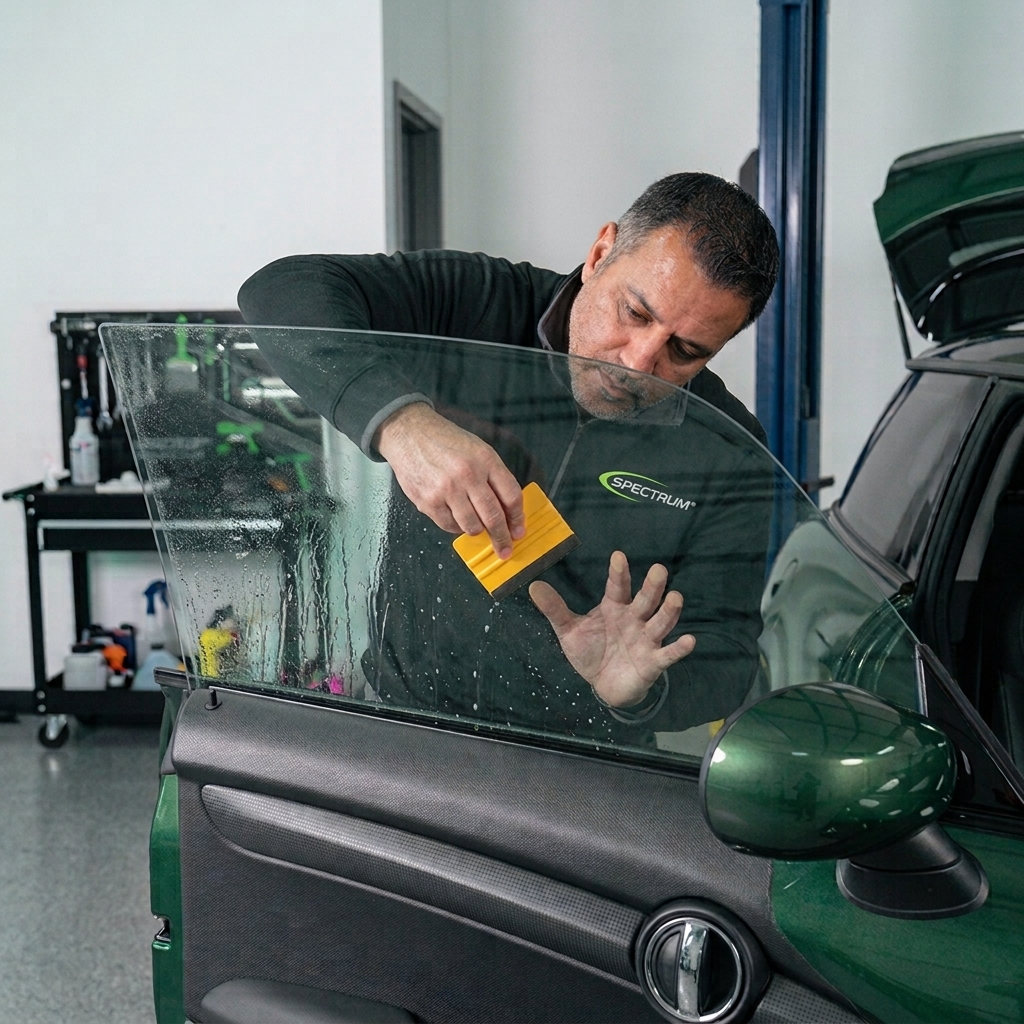
It also applies to glass that already exists. A retrofit keeps the frames, the glazing and the installation in place, which is where the bulk of a window's environmental cost sits.
Spectrum Steel, our own measured figure. Every shade we sell is published, shade by shade.
Measured on Spectrum filmRange reported across building simulations and field studies of solar control film, with the largest savings on west- and south-facing glass in hot climates.
A 40-year life-cycle study of Mediterranean office retrofits found solar control film carried roughly a ninth of the embodied energy of replacing the windows outright.
Most of the energy a building or a cabin gains through glass arrives as infrared. Film that rejects it at the window means the air conditioning never has to remove it — the saving is in work that never happens.
Solar gain peaks at the same hours the grid does. Cutting it shaves the load exactly when electricity is dirtiest and most expensive to generate, which is why the carbon benefit outruns the kilowatt-hour count.
A retrofit that reuses the existing glazing avoids the manufacture, transport and disposal of a whole new window. That gap in embodied energy is the single largest environmental argument for film over replacement.
The figures on our spec sheets are laboratory measurements of the film, published shade by shade, so an engineer can put them next to anyone else's and read them straight across. We publish the weak numbers alongside the strong ones — where a darker shade rejects less heat than a lighter one, the table says so.
We haven't commissioned a life-cycle assessment of Spectrum film itself. The embodied-energy and cooling-saving figures above come from published research on solar control film as a category, not from testing our own product, and we've cited them rather than restating them as our results. When we have our own numbers, they'll appear here with the same detail as the performance data.
We keep working on the footprint of the film itself — thinner constructions that use less material, packaging that ships more roll per box, and installer training that cuts waste on the job. The single biggest lever, though, is fitting the right film in the first place: an installation that gets the shade and the construction right saves energy for a decade or more, and one that doesn't gets peeled off.
Try the tint simulator to see what each film does, find an installer, or get in touch if you're specifying film for a building.
Cited figures describe solar control film generally and vary widely with climate, glazing type, orientation and building use. They are not a prediction of results on any particular building or vehicle.

Long-lasting automotive and architectural film, trusted by professionals and chosen by customers who expect comfort, style, and protection that holds up.

The bodies and rating systems that define how film performance is tested, and why our numbers are comparable with anyone else's.

Performance data for every Spectrum film — on the page and downloadable as a spec sheet.