
Spectrum NEO 20
Near-clear, with a light green cast
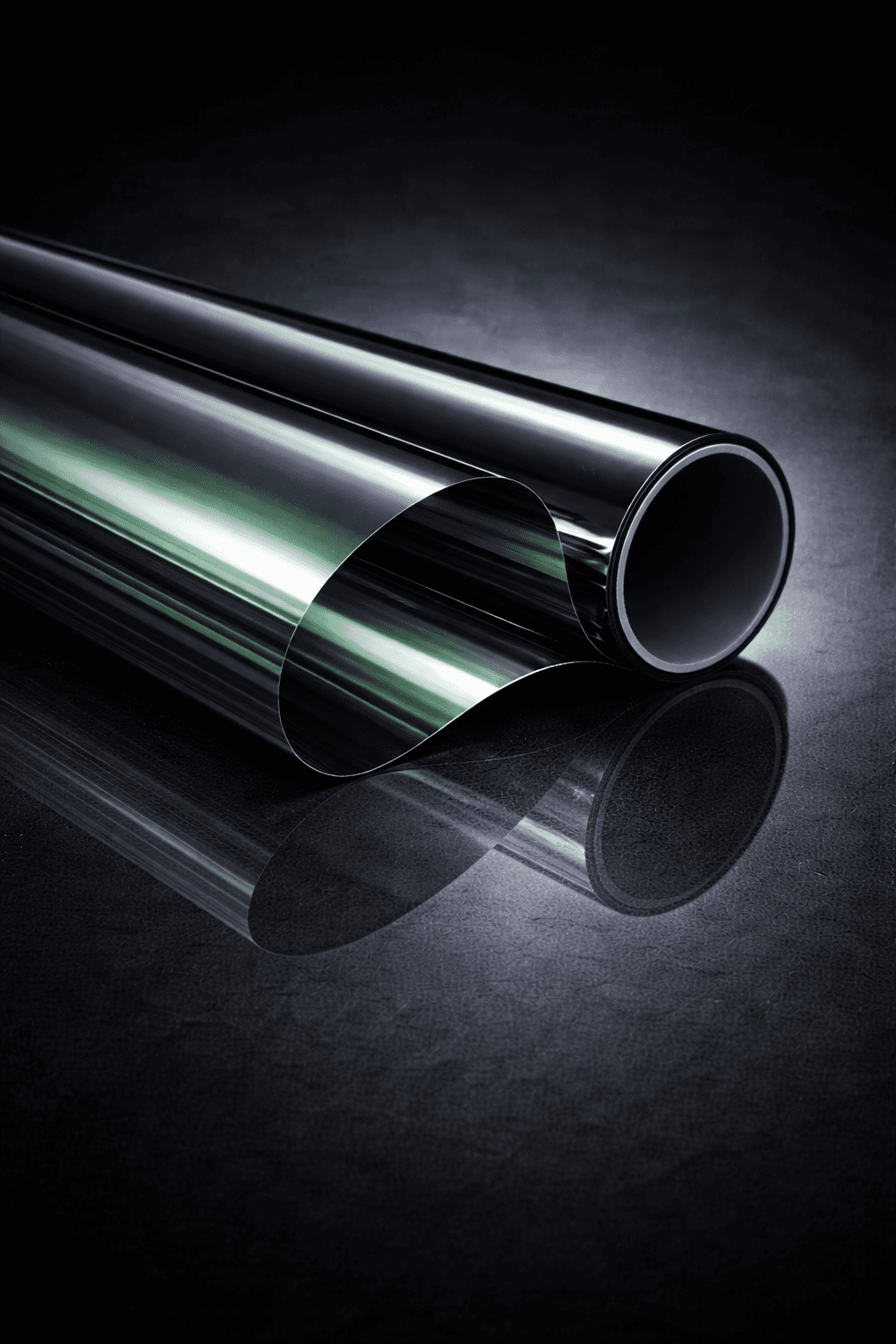
Neutral clear colour, perfect for windshields if you prefer no dark tint.
| Shade | VLT | UVR | IRR | TSER | Preview |
|---|---|---|---|---|---|
| NEO 20 | 62%Light | 99% | 92% | 60% | Try it |
Backed by a 5-year Spectrum warranty.
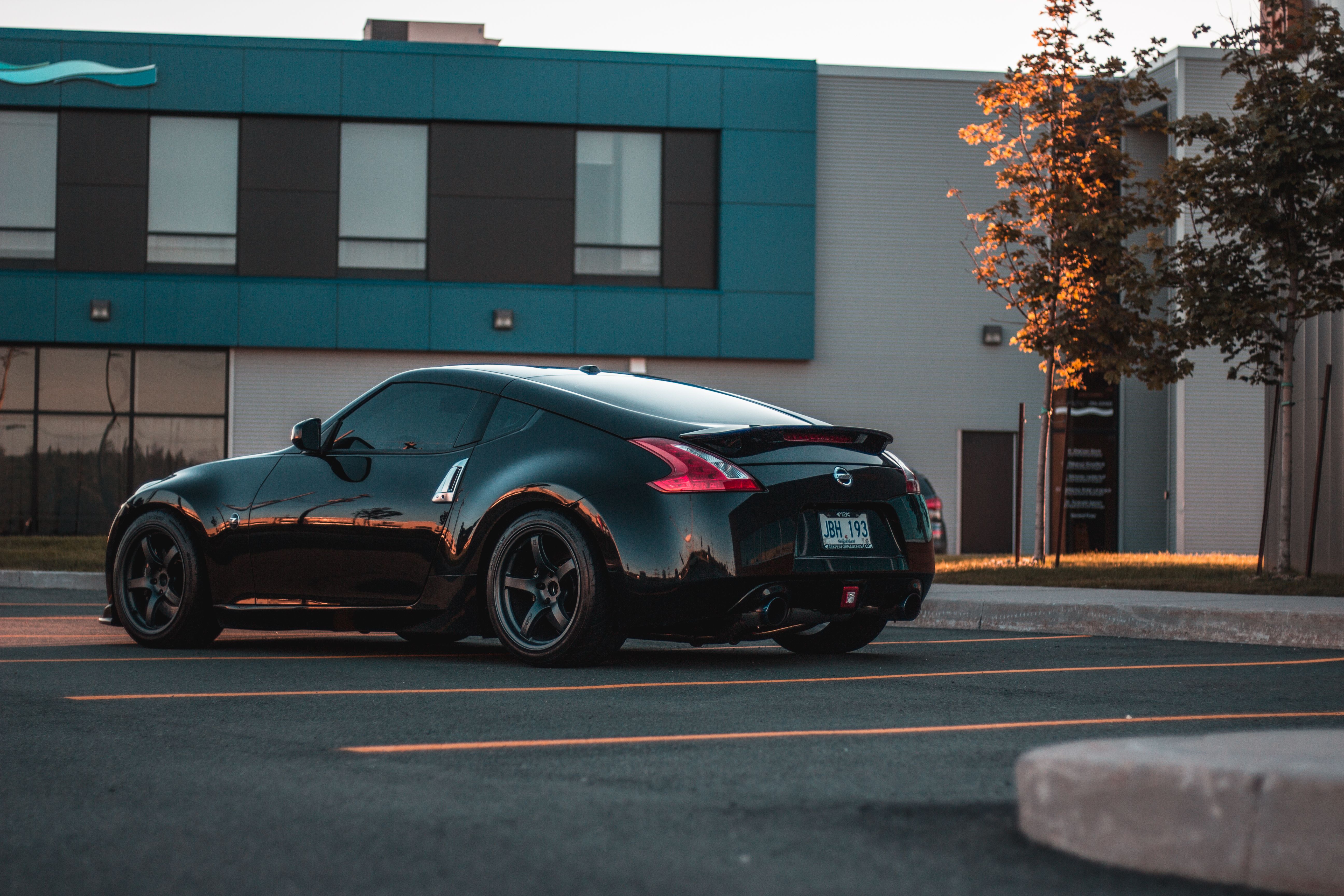
All of the heat and UV protection. None of the darkness, and none of the argument about tint laws.
Most people assume a window film has to be dark to do anything. It doesn't. Darkness is a property of visible light; the heat you feel through the glass is infrared, and the damage to your skin and your dashboard is ultraviolet. A film can be tuned to turn away the second two while letting the first through almost untouched.
That is what Spectrum NEO 20 is for. At 62% visible light transmission the glass looks essentially unchanged, yet it rejects 92% of infrared and 99% of UV — the highest infrared number anywhere in the NEO range. It's the film for windshields, for front doors where the law is strict, and for anyone who wants the protection without changing how the car looks.
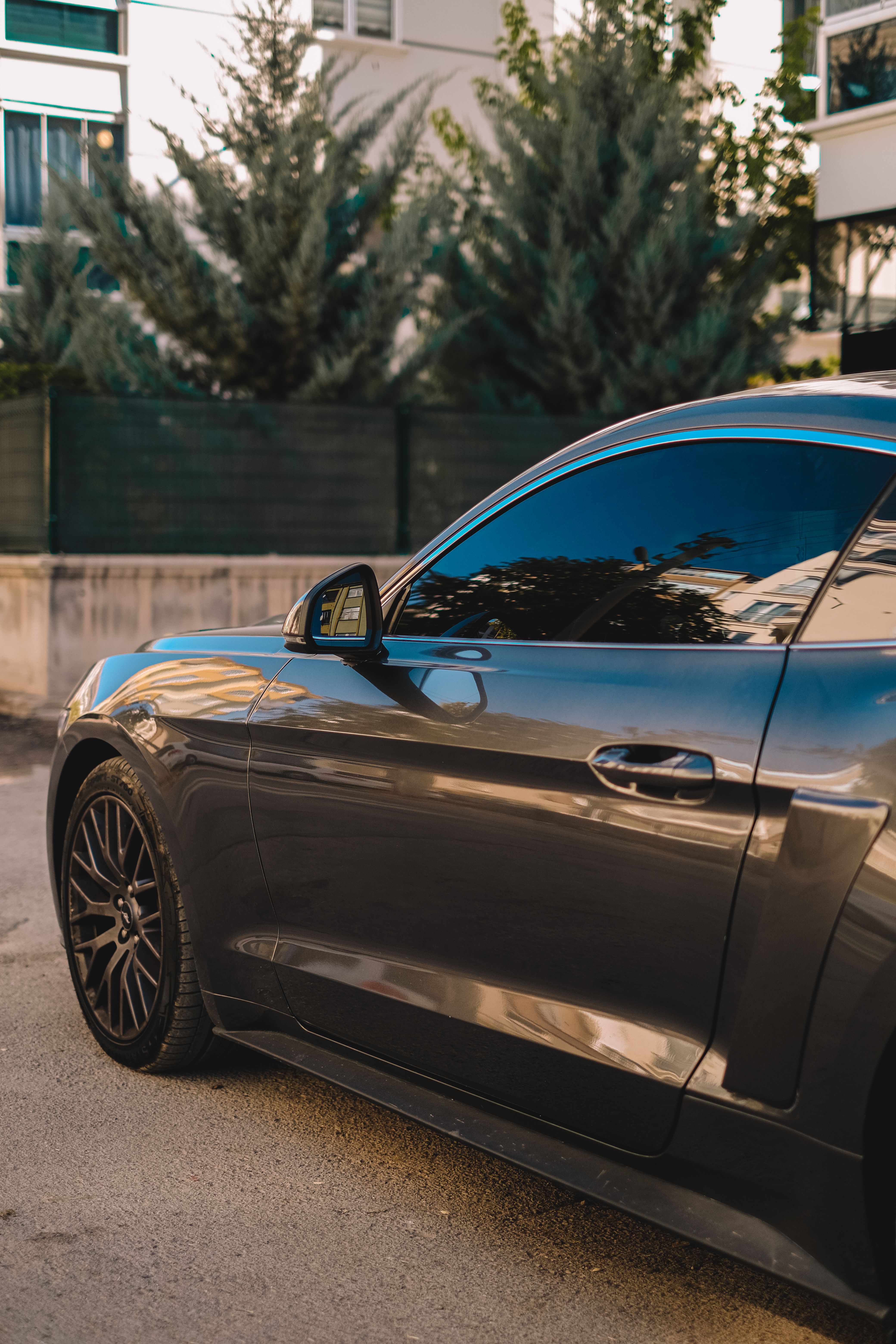
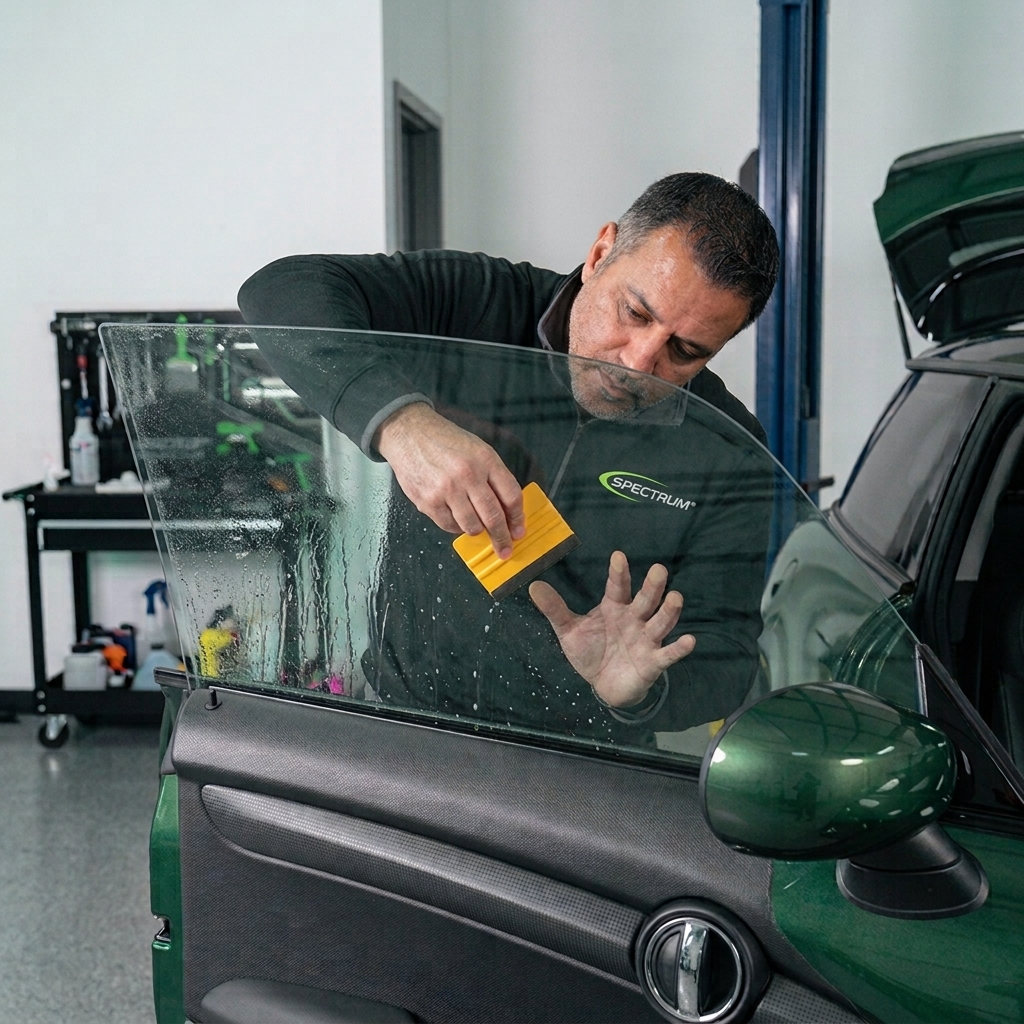
Your windshield is the largest single piece of glass on the car and it points at the sun for most of the drive. It's also the one piece almost nobody treats, because a dark windshield is illegal nearly everywhere and looks wrong besides.
A clear film solves that. Heat comes off the dashboard and the steering wheel, glare settles down, the air conditioning stops working so hard — and from outside, nothing has changed. Fit it on its own for a factory look, or pair it with a darker shade behind for a car that's protected front to back.
Darkness and heat rejection are two different things. At 62% VLT this film still turns away 92% of infrared — more than several of our darker shades, because it targets the wavelengths you feel rather than the ones you see.
Windshields and front side windows are where tint rules bite hardest. A near-clear film puts protection on the biggest piece of glass in the car without putting you in front of a VLT meter.
99% of UV blocked. Drivers take far more sun on one arm and one side of the face than the other, and plain side glass does very little about it.
Ultraviolet is what cracks a dashboard, bleaches a headliner and hardens leather. Blocking it is the cheapest interior protection there is.
No darker glass, no mirror sheen, no change to the car's lines. From the kerb it reads as factory glass — which is the point.
Non-metallic, so phone reception, GPS, Bluetooth, keyless entry and toll transponders carry on exactly as before.
Compare the infrared number against the shades on the nano carbon and metallised pages — it holds up against films several times darker.
Near-clear, with a light green cast
Neutral clear colour, perfect for windshields if you prefer no dark tint.
| Shade | VLT | UVR | IRR | TSER | Preview |
|---|---|---|---|---|---|
| NEO 20 | 62%Light | 99% | 92% | 60% | Try it |
Backed by a 5-year Spectrum warranty.
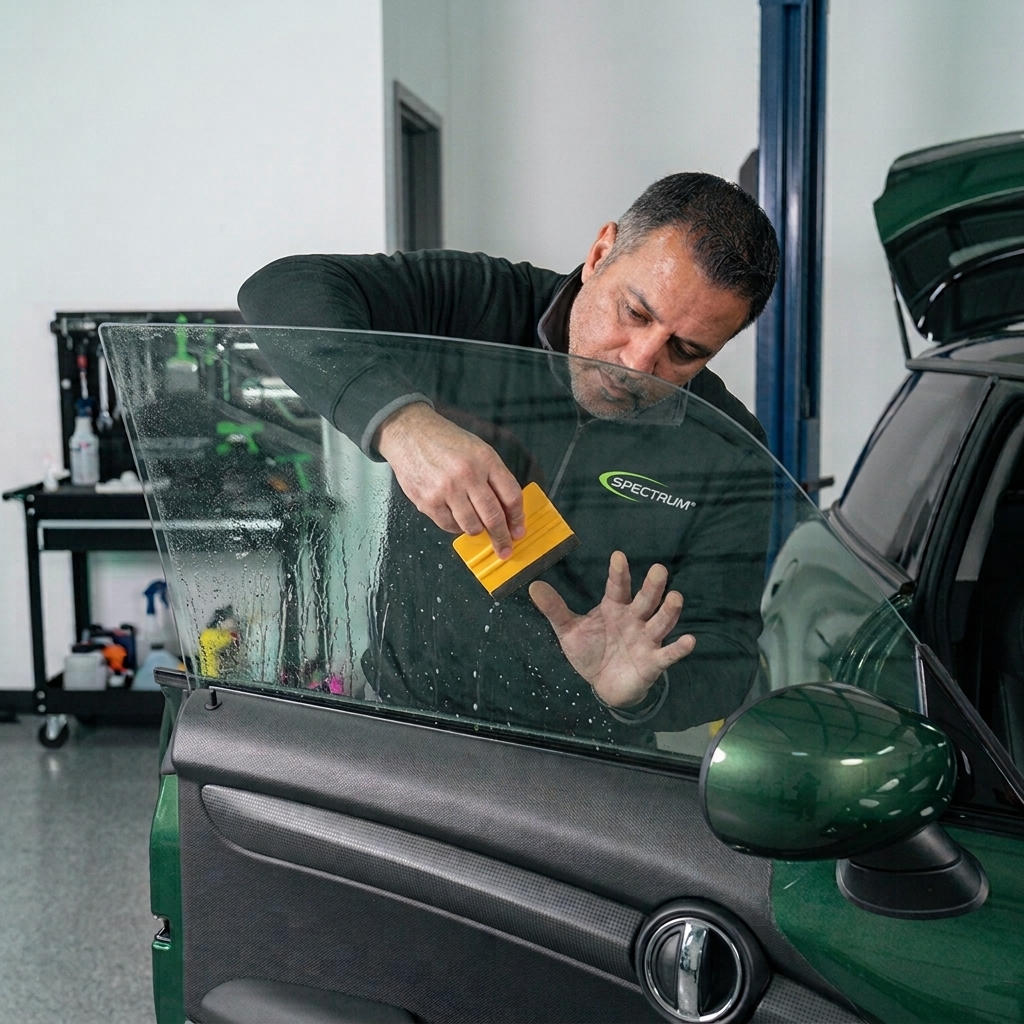
The whole argument for clear film is that you can't see it. The simulator is the quickest way to prove that to yourself — and to compare it against a darker shade side by side.
Performance figures are laboratory values for the film itself; results on your vehicle depend on the glass. Windshield and front-window rules vary — ask a Spectrum installer about the limits where you drive.