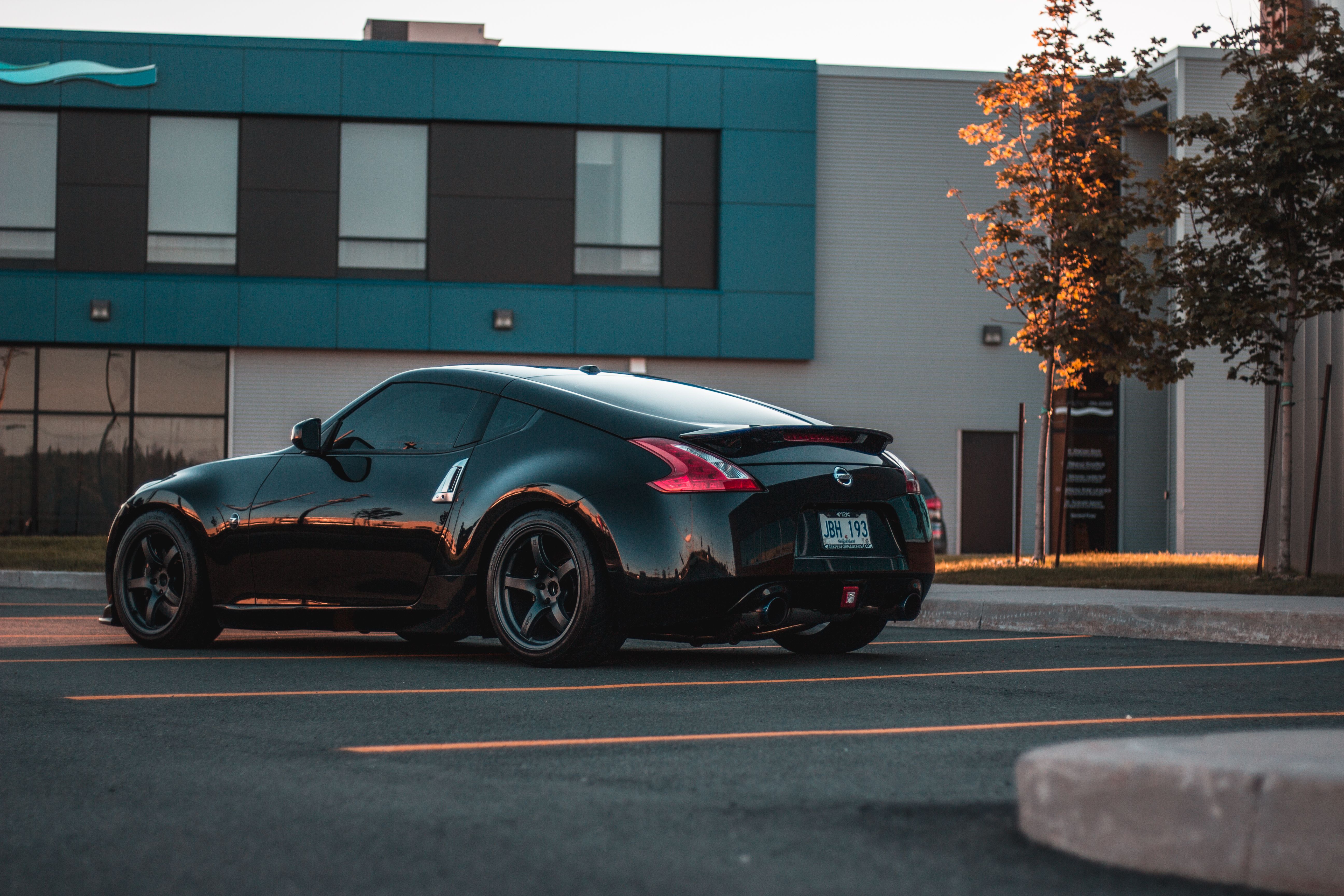
The series that runs from near-clear to properly dark — and rejects more heat than any other film we make without metal in it.
NEO is the range's problem solver. It starts at 20, a near-clear film at 62% visible light transmission that still turns away 92% of infrared — glass you can legally put on a windshield that works harder than most dark tints. It ends at 80 at 12% VLT, dark enough for real privacy.
All of it is non-metallic, so nothing in it touches your phone, GPS or keyless entry, and the green cast it carries keeps the glass reading as glass. One series, and you can tint an entire car with it — light at the front where the rules are strict, dark behind. The full performance data is below, and downloadable.
NEO 20 rejects 92% of infrared — the highest of any non-metallic film we make, and it does it at 62% VLT. Darkness and heat rejection really are separate problems.
The only Spectrum series that spans the whole range: 20 is a near-clear windshield film at 62% VLT, 80 is a proper privacy tint at 12%.
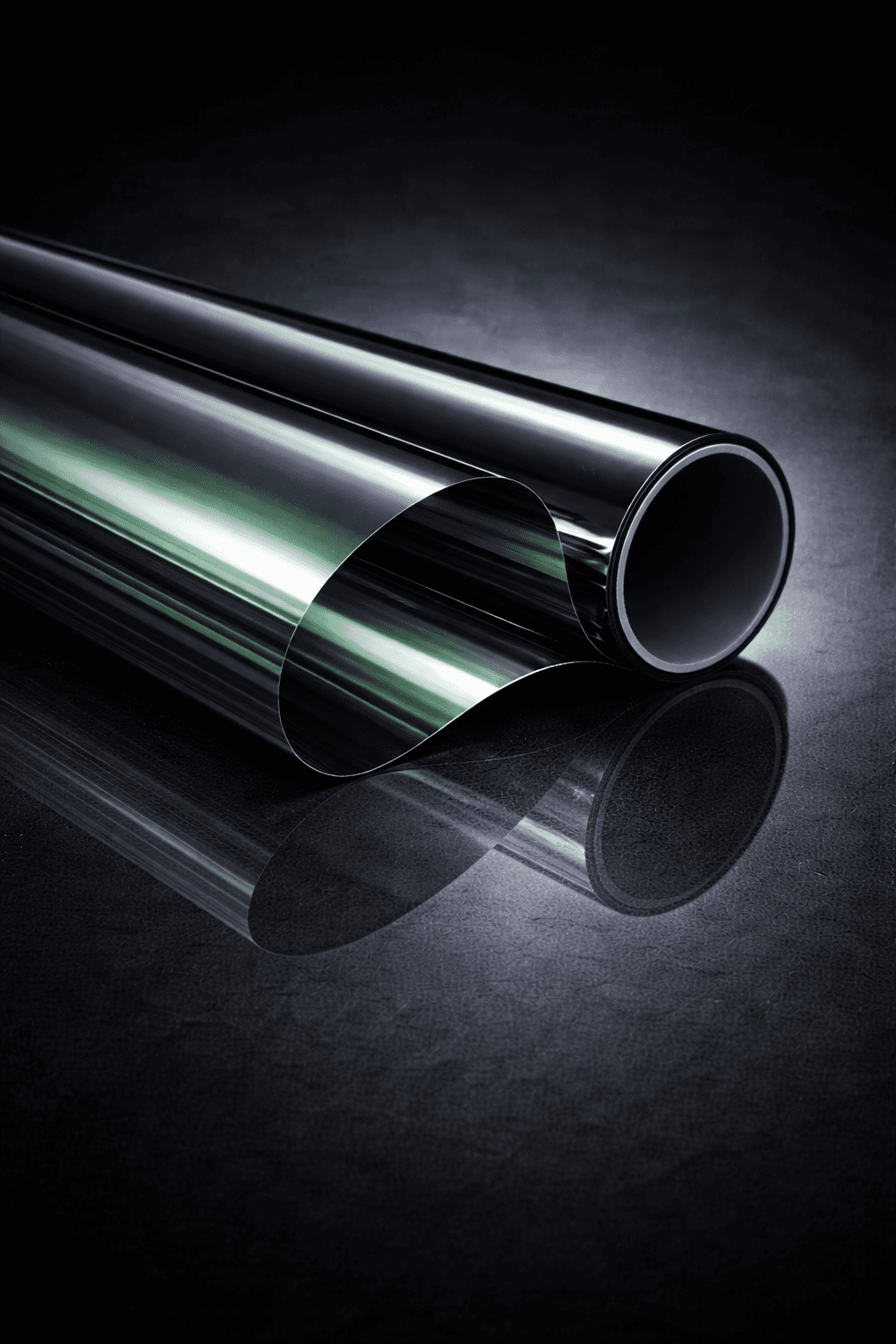
NEO carries a distinctive green tone — pronounced in the 20, an elegant hint in the darker shades. It's what makes the glass look like glass rather than a panel stuck over it.
Total solar energy rejection runs cleanly up the range, from 60% to 74%. Pick the shade you want to look at and the heat performance follows.
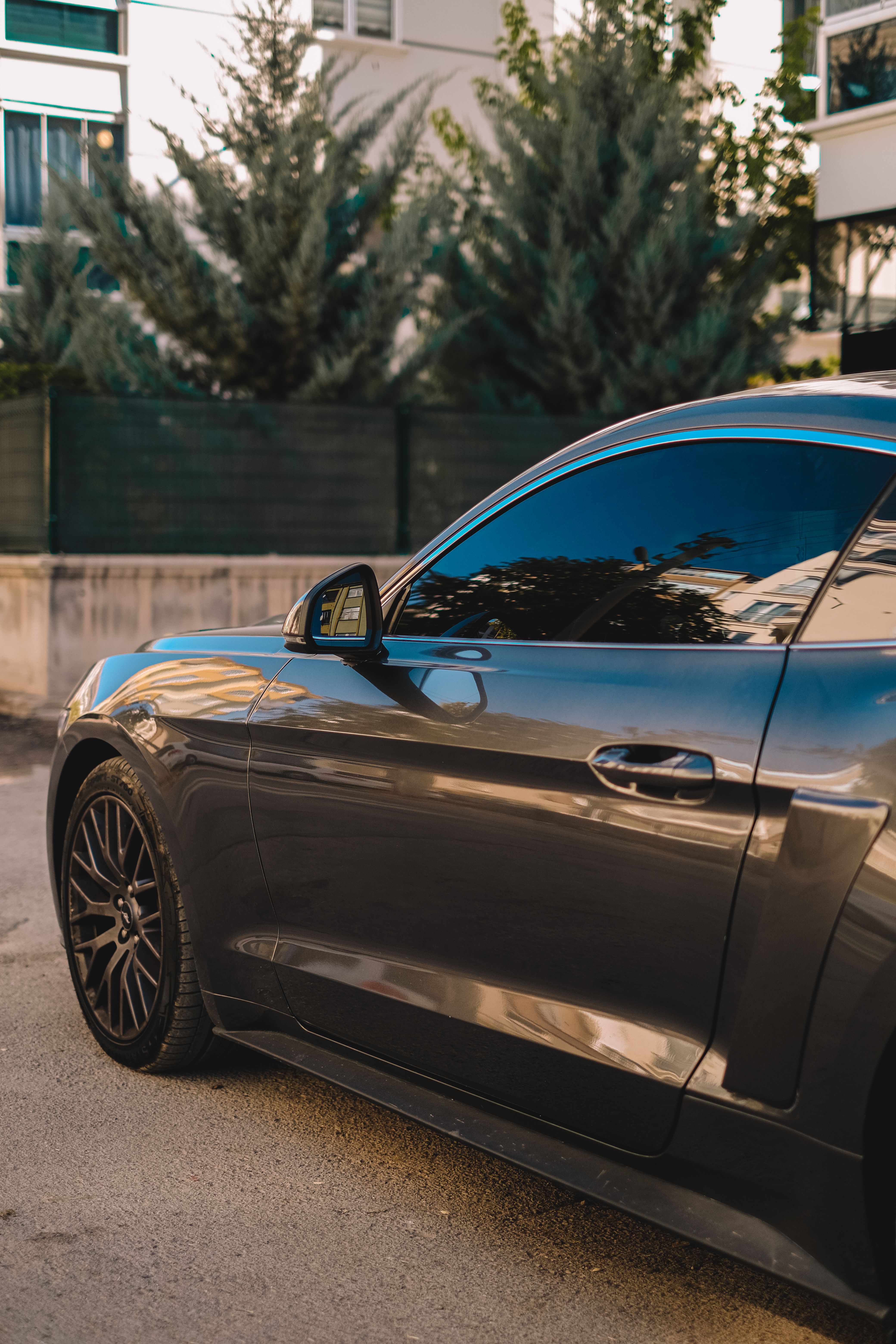
Most films aim for dead neutral and land on a flat grey. NEO doesn't — it carries a green tone, obvious in the 20 and a faint hint in the darker shades, and that's a deliberate choice rather than a compromise.
Green sits in the middle of what the eye is most sensitive to, so a film tuned that way keeps a view looking natural instead of drained. On the car it reads as depth in the glass rather than a layer on top of it. Put NEO 20 on a windshield in the simulator and look out through it — that's the difference the tone makes.
We publish the numbers for every shade so you can compare them yourself. Download the sheet, or take it straight to an installer.
Values are measured on the film and calculated for single-pane, nominal 3 mm clear glass. Figures are taken from representative product samples and are subject to normal manufacturing variance; actual performance on your vehicle varies with the glass it is applied to.
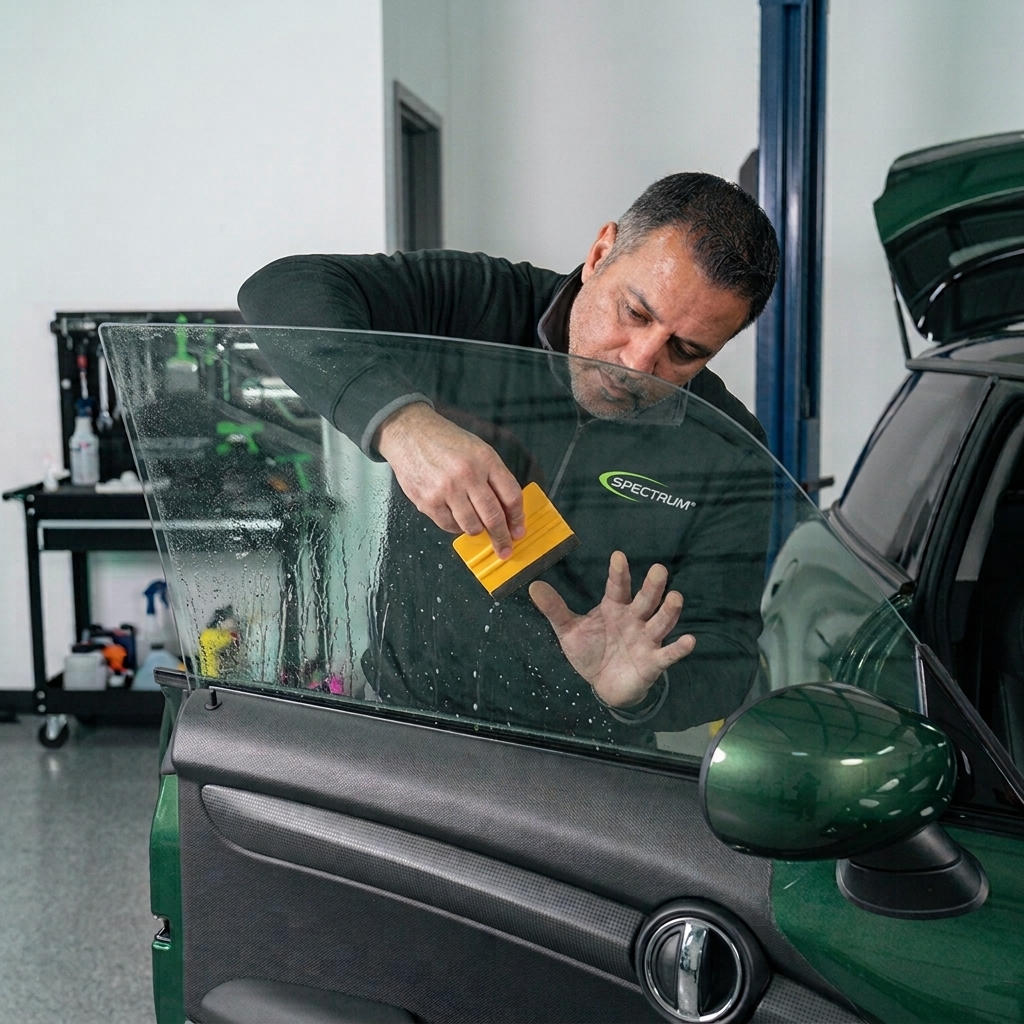
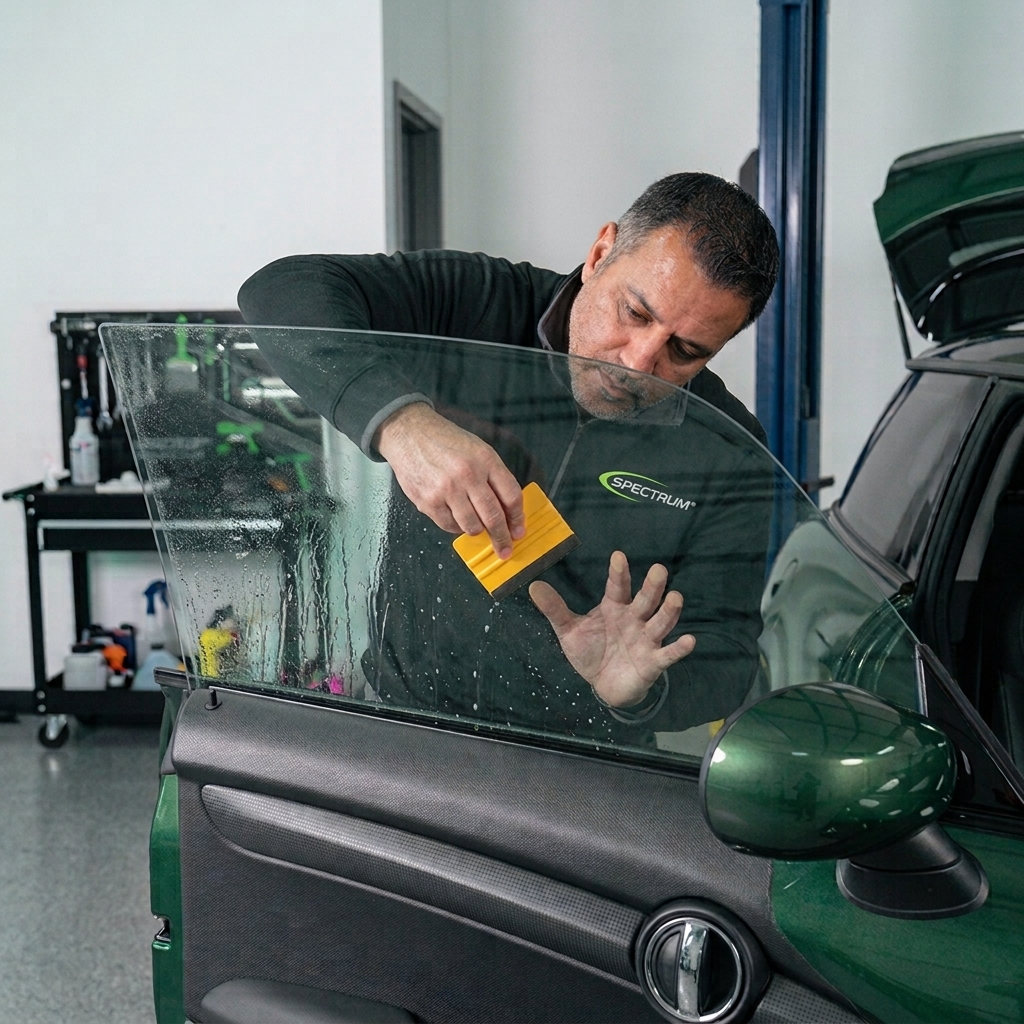
NEO is the series most worth trying shade by shade, because it covers so much ground. Put each one on the glass, look out through it, then take the result to an installer.
Performance figures are laboratory values for the film itself; results on your vehicle depend on the glass. Some tint levels are restricted on windshields and front windows — ask a Spectrum installer about the rules where you drive.