
Nano Carbon Window Film

Carbon particles measured in billionths of a metre — enough to stop the heat, small enough to leave the view alone.

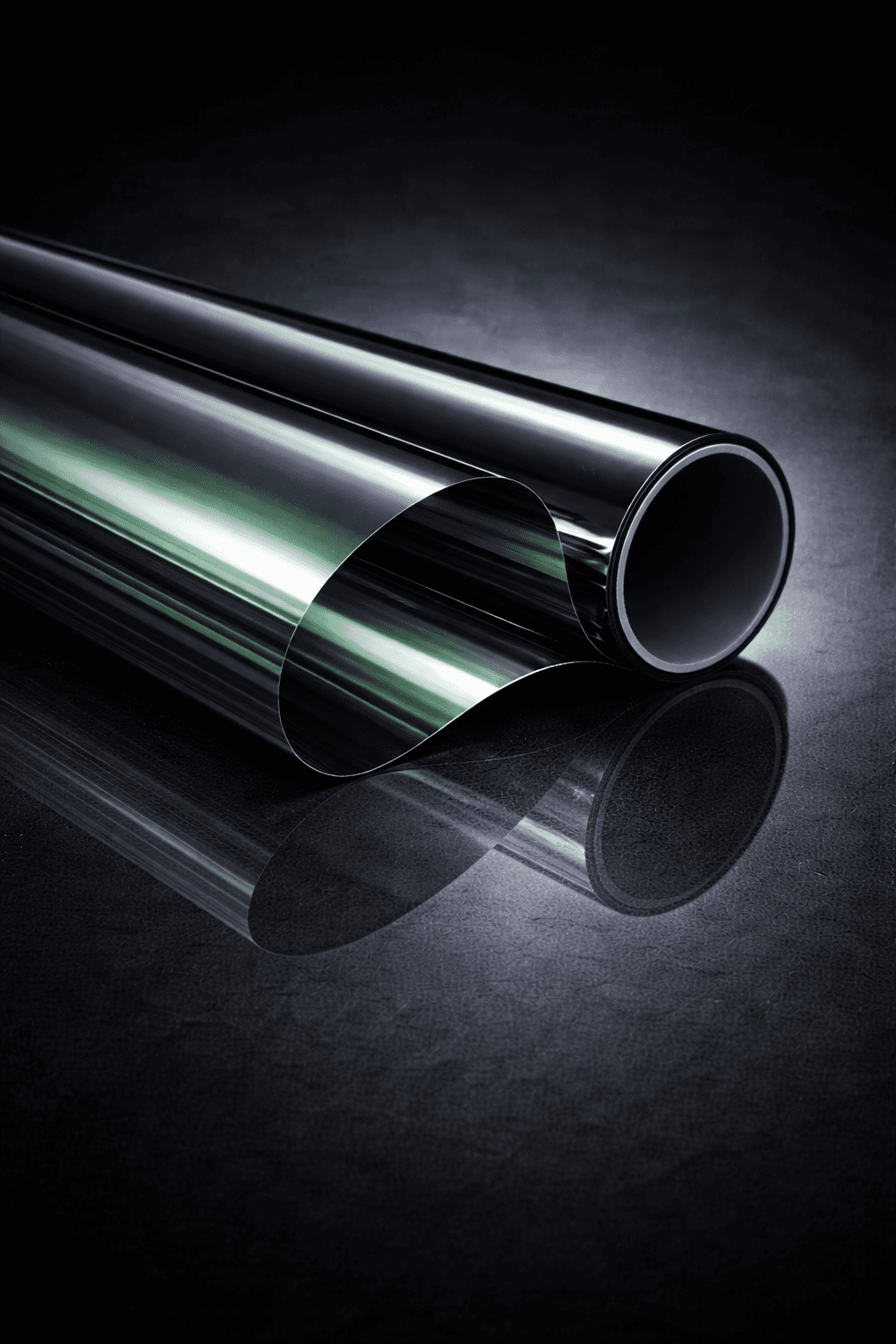
Nano carbon film replaces the dye in ordinary tint with carbon particles ground down to nanometre scale and dispersed through the polyester. Those particles absorb infrared energy — the part of sunlight you feel as heat — inside the film, before it can pass through the glass and load up your cabin and your air conditioning.

Because carbon is not a metal, it does nothing to radio signals. And because there is no dye in the construction, there is nothing for the sun to break down: the shade you drive away with is the shade you keep. Three Spectrum series are built this way — NEO, UV 400 and Black — across shades from near-clear to full privacy.

IS NANO CARBON THE SAME AS CERAMIC?

No, though they solve the same problem and share the same big advantage. Both are non-metallic, so neither interferes with electronics, and both hold their colour far better than dyed film.

The difference is in how they deal with heat. Ceramic particles reflect and scatter infrared; carbon absorbs it. In practice that makes ceramic slightly clearer at very light shades, while carbon gives the deeper, flatter black that most drivers are actually after — and holds that colour longer, because ceramic can lighten as it oxidises. Spectrum's nano carbon films are engineered for Southeast Asian sun, where the infrared load matters more than the last percent of optical clarity.

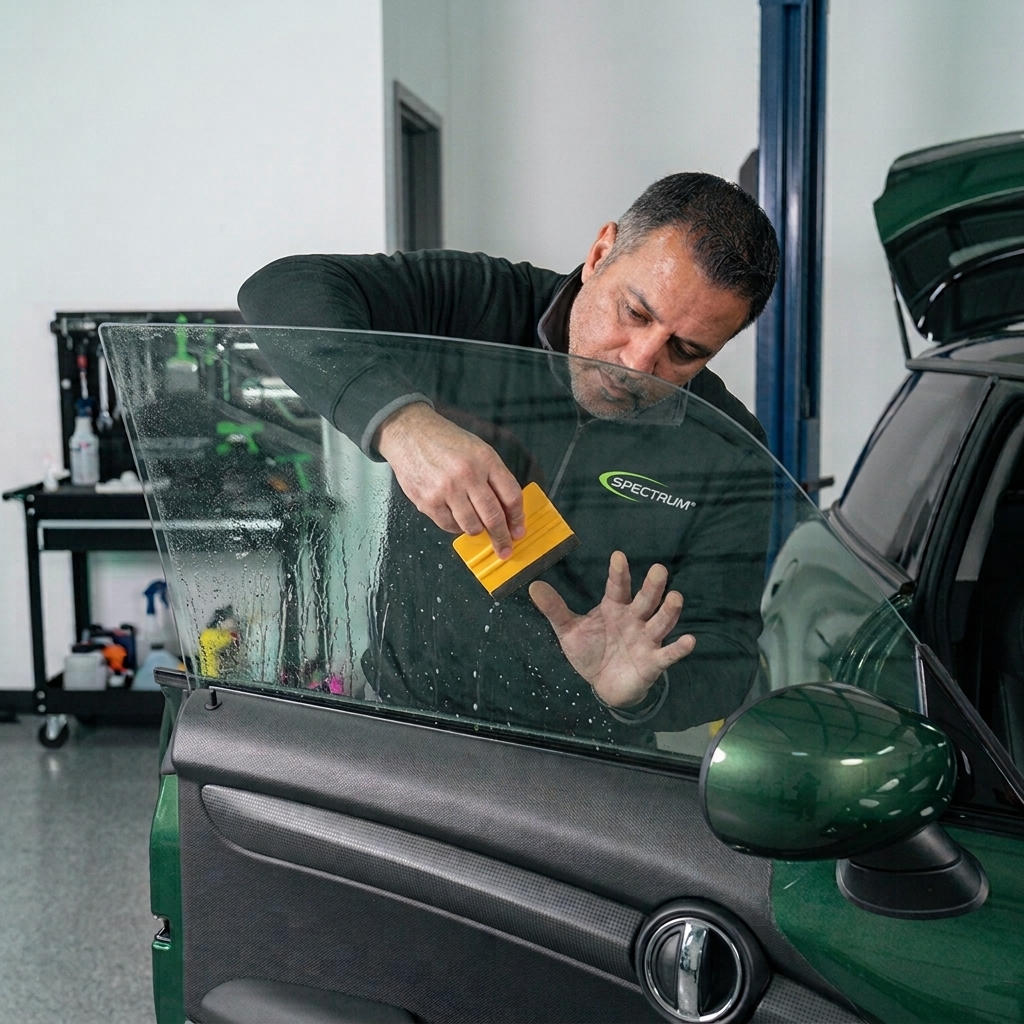
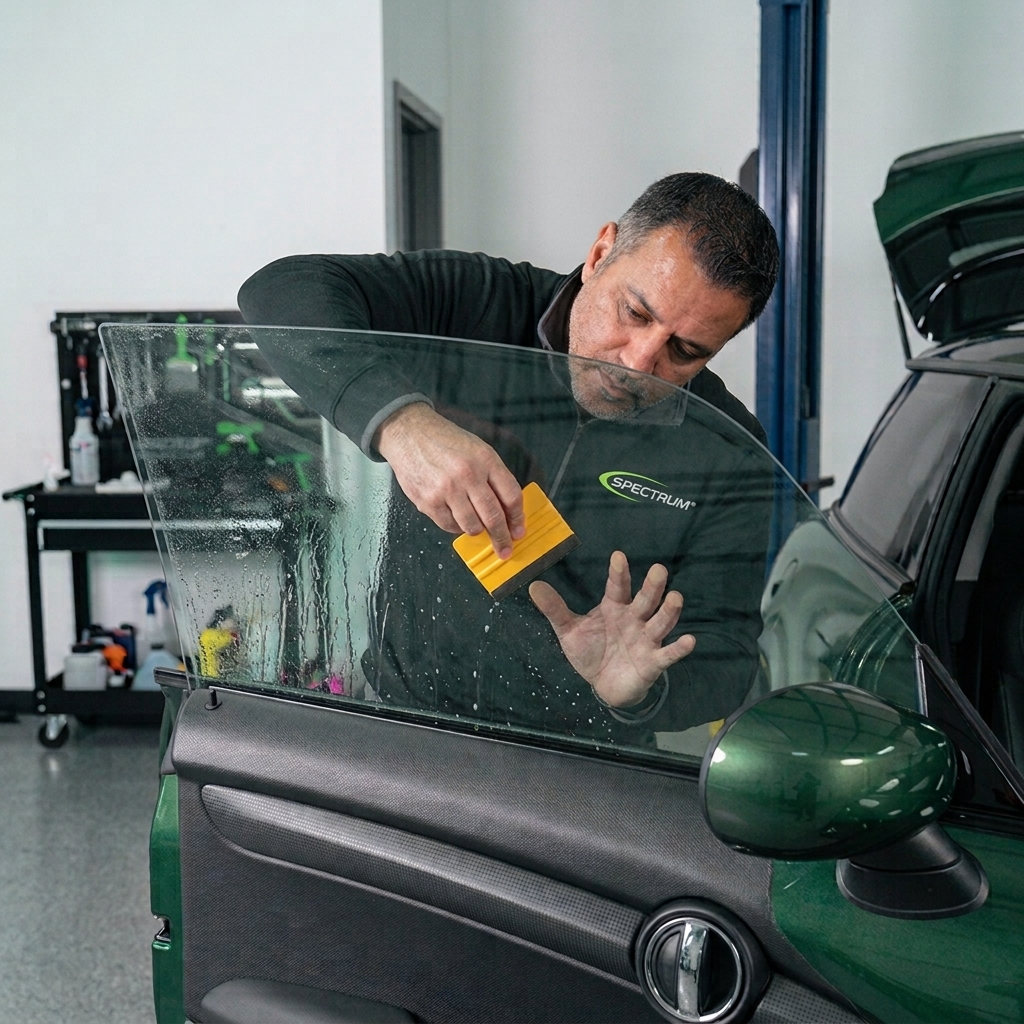
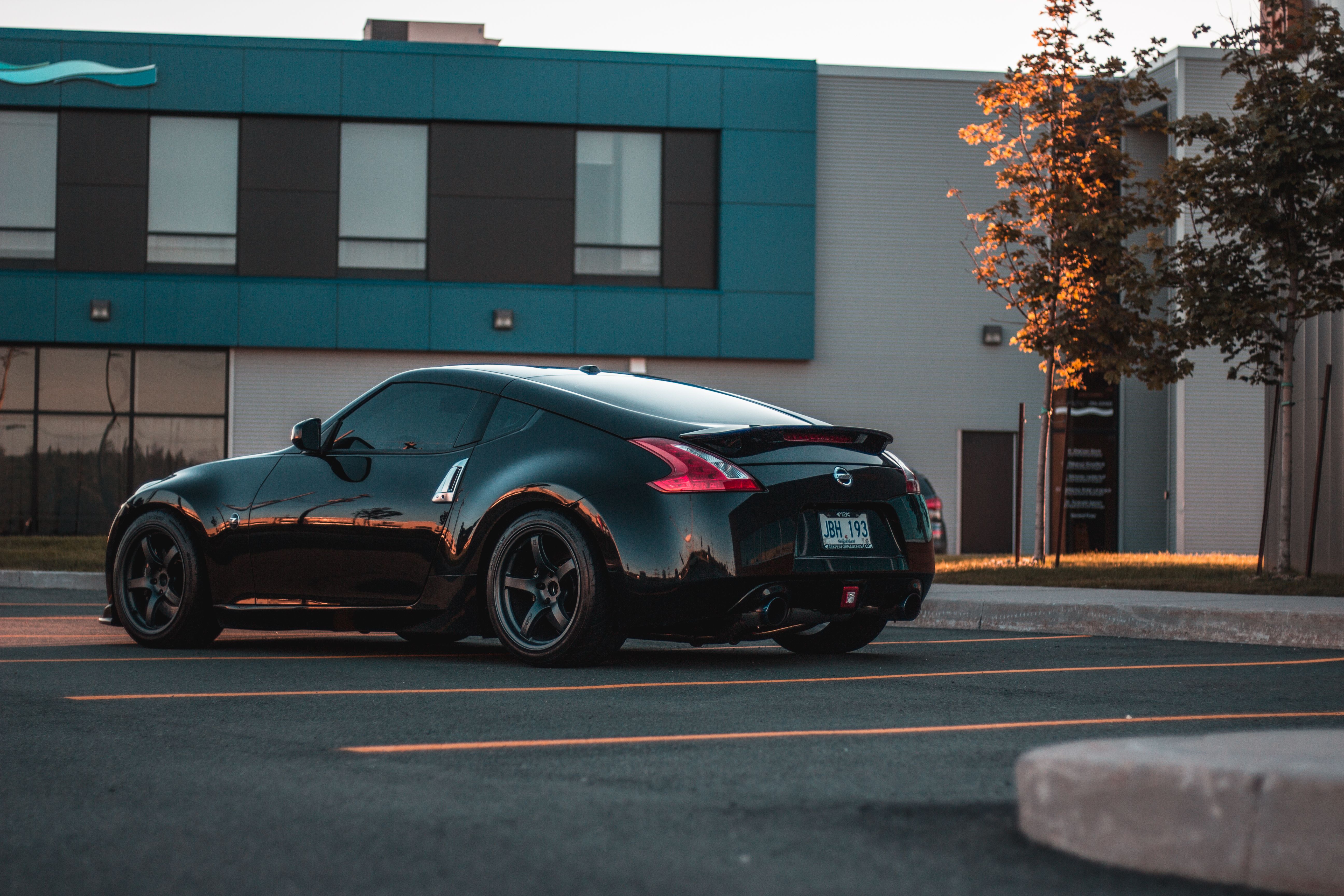
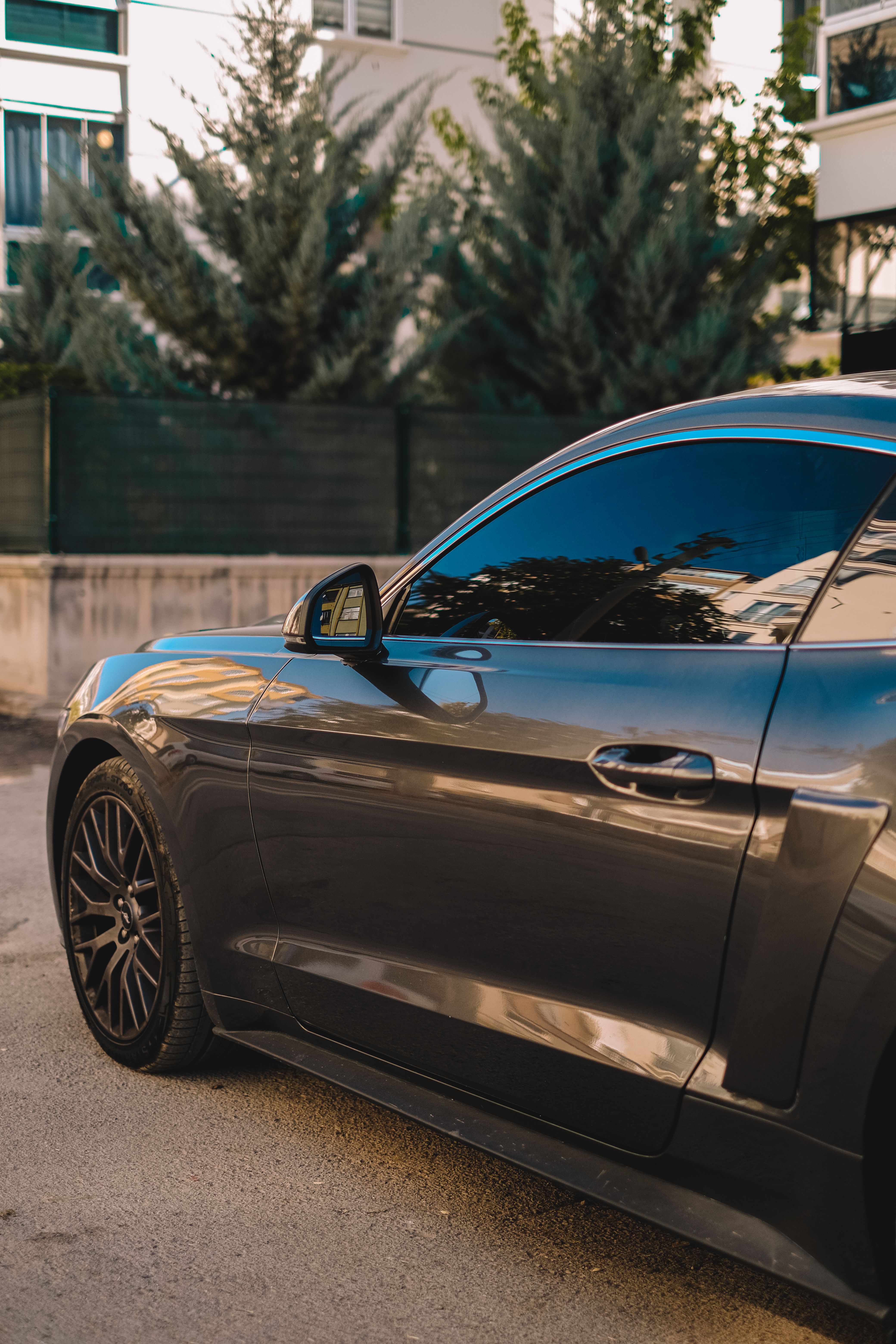
SEE IT ON A CAR

Benefits of nano carbon film

How it compares

Property Basic dyed filmSpectrum nano carbonSpectrum Steel (metallised)
What's in the film Organic dye in polyesterCarbon nanoparticlesVapour-deposited metal layers
How it handles heat Darkens light, lets infrared throughAbsorbs infrared in the filmReflects infrared off the glass
Look from outside Flat black, fadesDeep matte black, no shineReflective mirror finish
Phone, GPS, keyless UnaffectedUnaffectedCan interfere
Colour over time Fades, often to purpleColour-stable — no dye to break downColour-stable
Spectrum series —NEO · UV 400 · BlackSteel

All nano carbon films

Every shade below is nano carbon. Pick by how much light you want to keep, then compare the heat numbers — they don't always run in the order you'd expect.

Spectrum NEO

Neutral to green-tinted nano-carbon film

VLT 12–27%

Spectrum® NEO features a distinctive green tone in the 20 variant, along with a clear option enhanced by an elegant green hue. High infrared rejection with a neutral look from outside.

Shade VLT UVR IRR TSER Preview
NEO 40 27%Medium 99% 81% 69% Try it
NEO 60 20%Dark 99% 83% 70% Try it
NEO 80 12%Dark 99% 89% 74% Try it

Backed by a 5-year Spectrum warranty.

Spectrum UV 400

Deep black with chip technology

VLT 5–26%

Deep black finish with fade-resistant Chip Technology. Clear from the inside, dark from the outside. Up to 100% UV rejection.

Shade VLT UVR IRR TSER Preview
UV 400 40 26%Medium 100% 65% 59% Try it
UV 400 60 15%Dark 100% 64% 63% Try it
UV 400 80 5%Darkest 100% 64% 63% Try it

Backed by a 5-year Spectrum warranty.

Spectrum Black

Deep, rich black for privacy

VLT 6–26%

Spectrum Black delivers a deep, rich black tint designed to enhance privacy, reduce heat, and elevate the look of your vehicle. Engineered with advanced film technology for long-lasting performance.

Shade VLT UVR IRR TSER Preview
Black 40 26%Medium 99% 73% 63% Try it
Black 60 16%Dark 99% 56% 58% Try it
Black 80 6%Darkest 99% 62% 65% Try it

Backed by a 5-year Spectrum warranty.

VLT
Visible light transmission — lower is darker.
UVR
Ultraviolet rejection.
IRR
Infrared rejection.
TSER
Total solar energy rejection — the best single number for overall heat.

HOW DOES IT LOOK ON MY CAR?

Numbers on a page only go so far. Put each shade on the glass, look at it from both sides, and take the result to an installer.

  • Every nano carbon shade on a real car
  • See it from outside and from the driver's seat
  • Download your configuration as a PDF
TRY THE SIMULATOR

Performance figures are laboratory values for the film itself; results on your vehicle depend on the glass. Some tint levels are restricted on windshields and front windows — ask a Spectrum installer about the rules where you drive.