
Metallised Window Film

Layers of metal thinner than a wavelength of light, turning your glass into a mirror for heat.

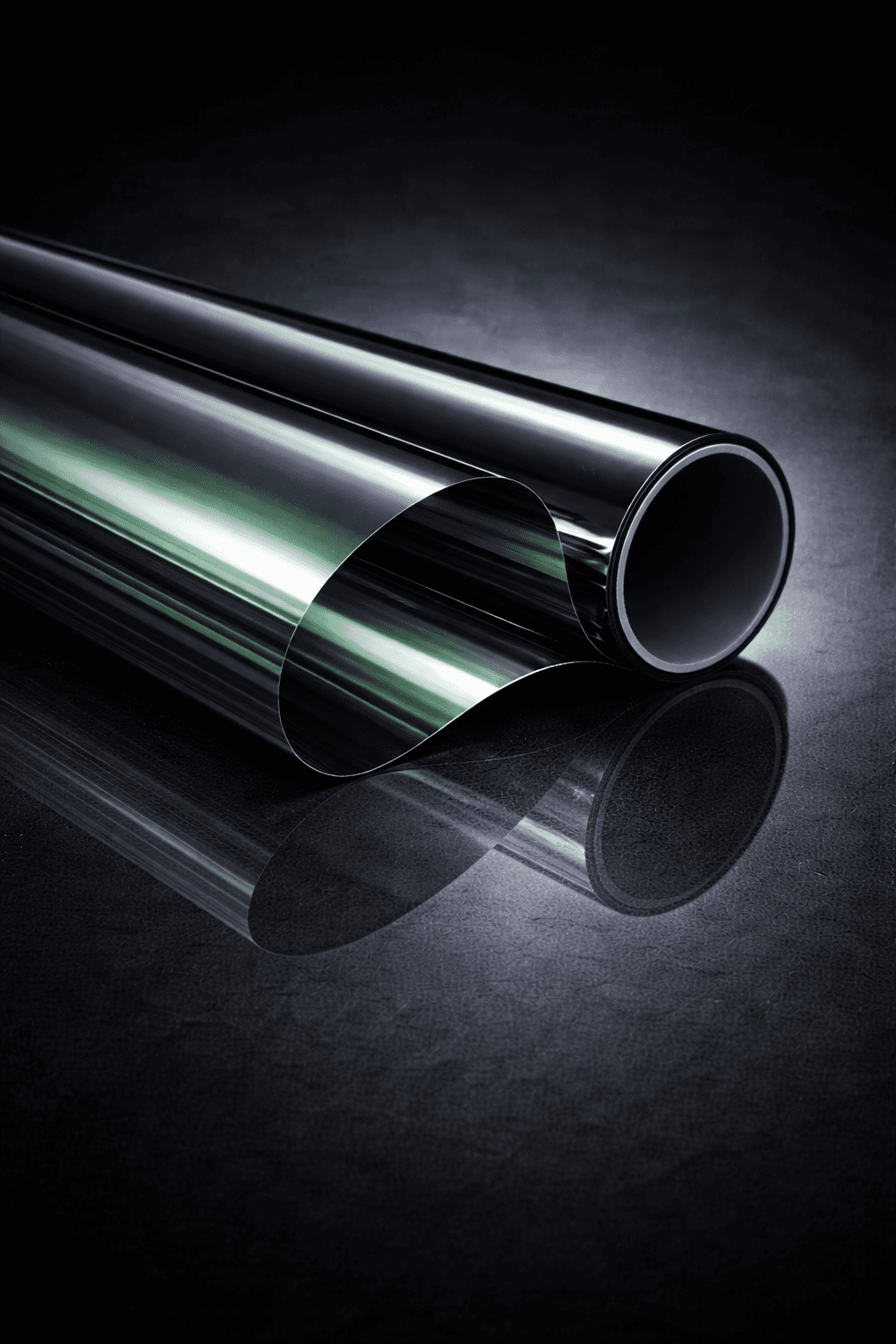
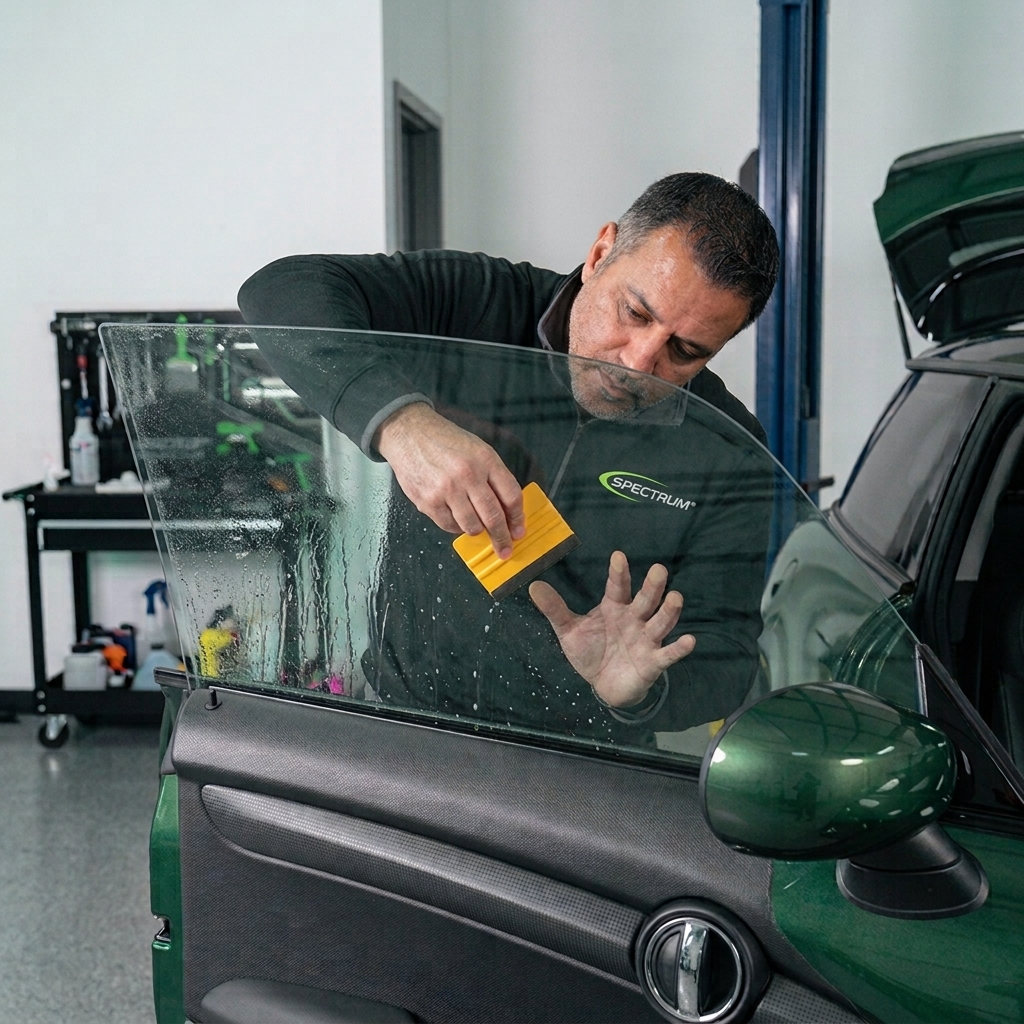
Metallised film is built by sputtering — metal is vaporised in a vacuum and deposited onto polyester in layers a fraction of the thickness of a human hair. Those layers behave like a mirror tuned to infrared: instead of soaking up solar energy the way carbon and ceramic films do, they turn it around and send it back outside.

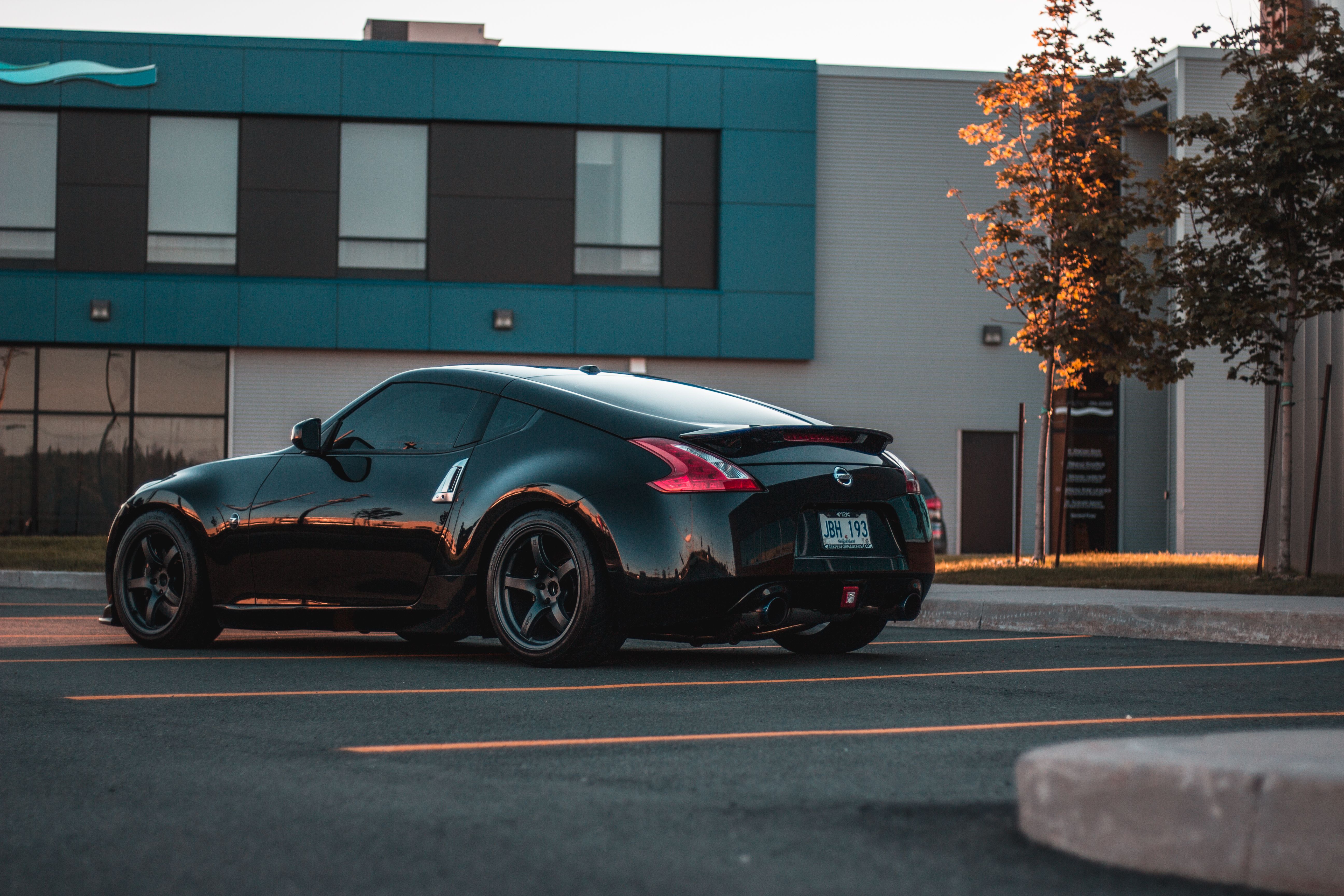
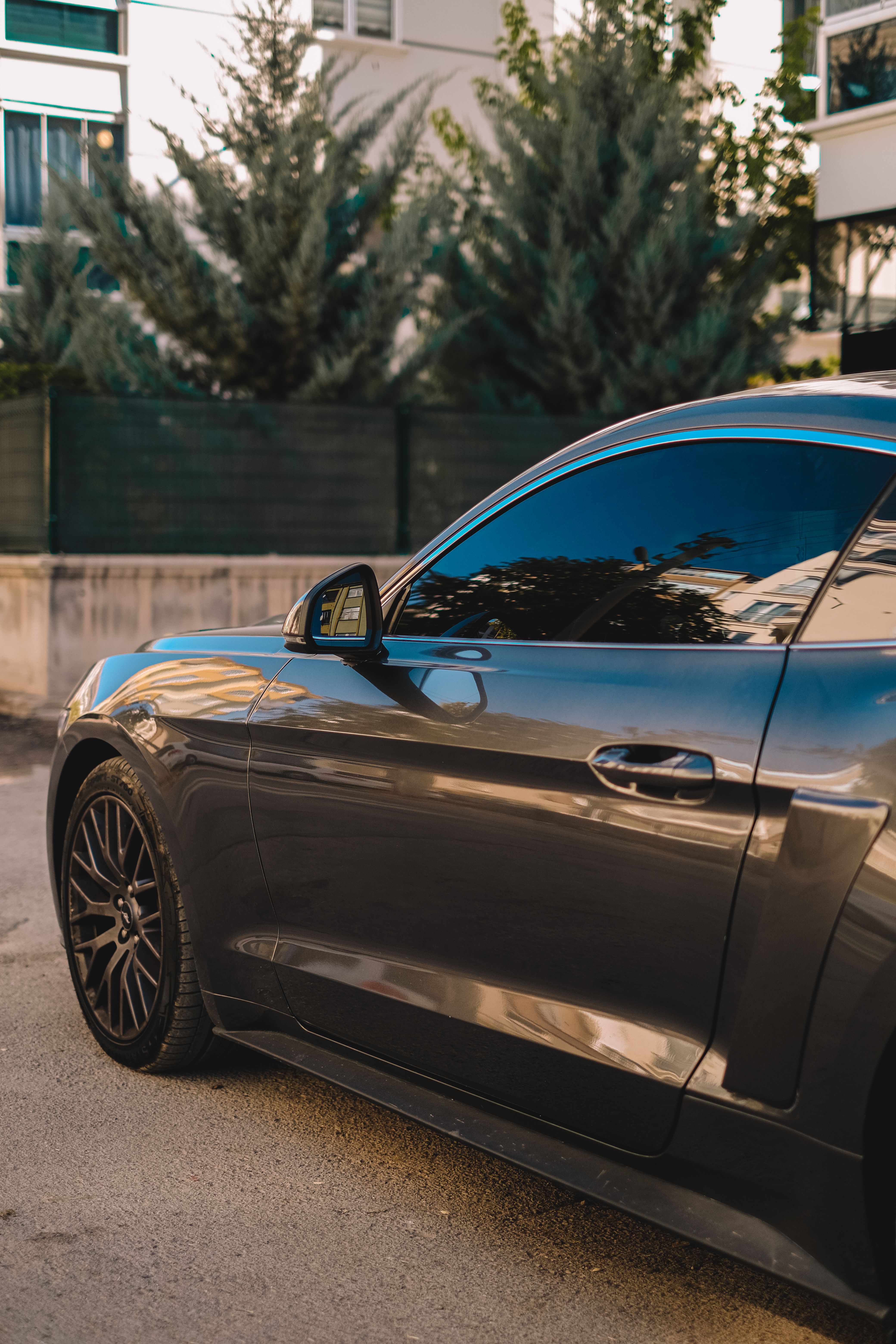
That is why Spectrum Steel posts the highest heat numbers we make — up to 93% infrared rejection and 77% total solar energy rejection. It also gives the glass a bright reflective finish nothing else in the range does, and makes the film noticeably tougher. There is one real trade-off, and it's further down this page.

REFLECT, DON'T ABSORB

Every window film has to do something with the sun's infrared energy. Carbon and ceramic films absorb it: the particles take the heat into the film, which warms up and then sheds that heat in both directions — some outward, some inward through the glass.

Metallised film never lets the energy in. The metal layers reflect infrared at the outer surface, so the glass stays cooler and there is less heat in the system to begin with. On a car parked in full Jakarta sun, that is the difference between a cabin the air conditioning has to fight and one it only has to maintain.

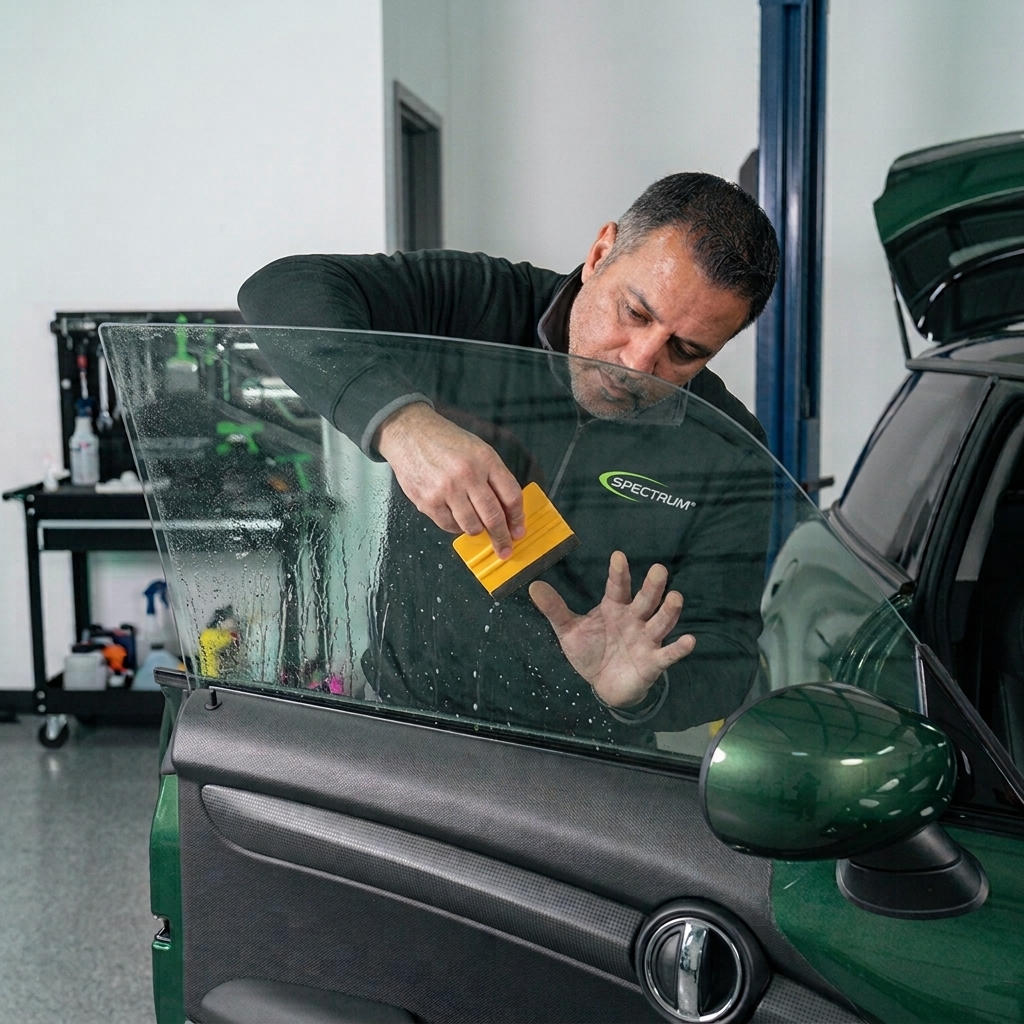
SEE IT ON A CAR

Benefits of metallised film

One trade-off worth knowing about

Metal reflects radio waves as well as heat. On a fully wrapped car, metallised film can weaken phone reception, GPS accuracy, keyless entry, toll transponders and radar-based driver assistance. How much depends on how many windows are covered and how strong the signal was to begin with.

Two ways round it. Put Steel on the rear and rear-side glass and leave the front doors and windshield to a non-metallic film — you keep most of the heat rejection where the sun actually lands. Or choose nano carbon, which is non-conductive and does nothing to signals at all. Any Spectrum installer will walk you through both.

How it compares

Property Basic dyed filmSpectrum nano carbonSpectrum Steel (metallised)
What's in the film Organic dye in polyesterCarbon nanoparticlesSputtered metal layers
How it handles heat Darkens light, lets infrared throughAbsorbs infrared in the filmReflects infrared off the glass
Peak heat rejection LowUp to 92% IRRUp to 93% IRR · 77% TSER
Look from outside Flat black, fadesDeep matte black, no shineReflective mirror finish
Phone, GPS, keyless UnaffectedUnaffectedCan interfere
Scratch resistance LowGoodExcellent
Spectrum series —NEO · UV 400 · BlackSteel

All metallised films

One series, three shades. Note that the darkest is not automatically the coolest — Steel 40 and Steel 80 land on the same TSER by different routes.

Spectrum Steel

Reflective mirror finish

VLT 10–27%

Spectrum® Steel reflective mirror finish with heat rejection up to 93% IRR and 77% TSER. Bounces heat away before it reaches the glass.

Shade VLT UVR IRR TSER Preview
Steel 40 27%Medium 99% 74% 77% Try it
Steel 60 20%Dark 99% 85% 72% Try it
Steel 80 10%Dark 99% 93% 77% Try it

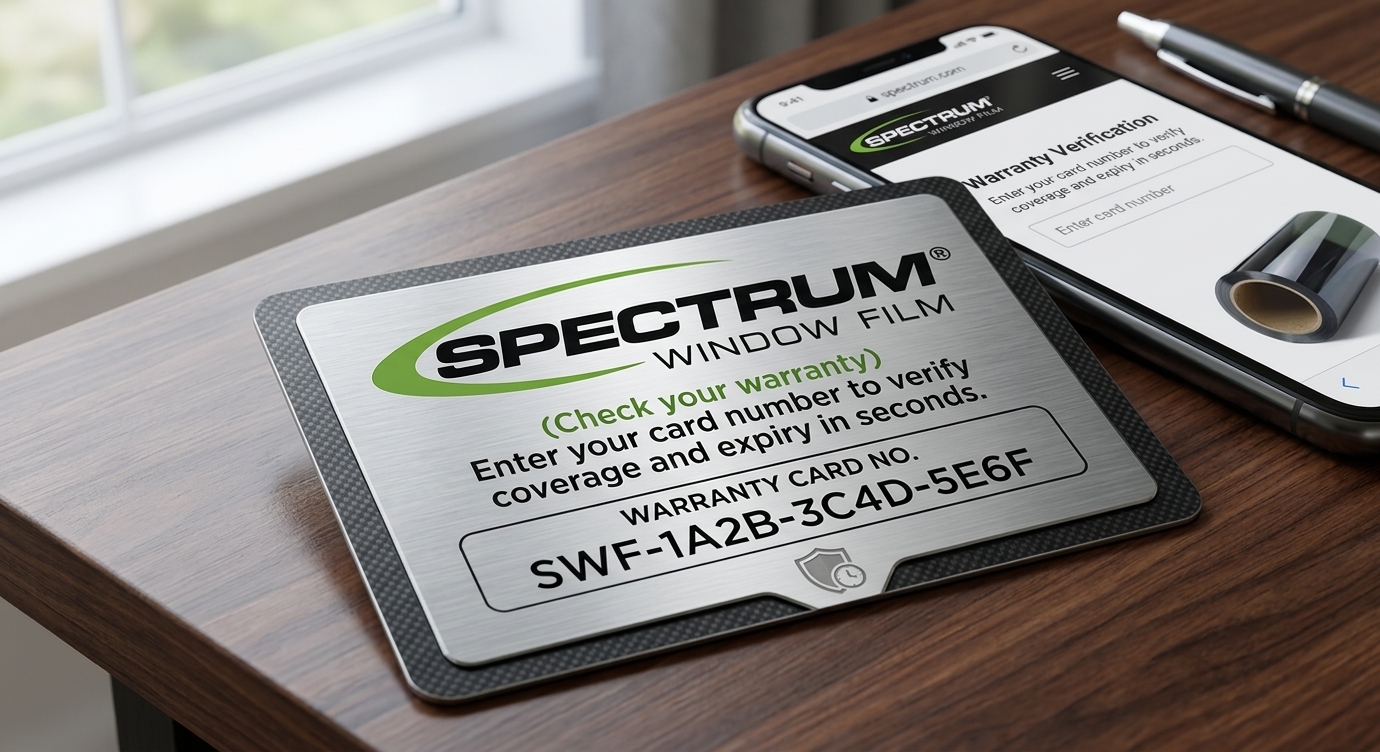
Backed by a 5-year Spectrum warranty.

VLT
Visible light transmission — lower is darker.
UVR
Ultraviolet rejection.
IRR
Infrared rejection.
TSER
Total solar energy rejection — the best single number for overall heat.

HOW DOES IT LOOK ON MY CAR?

The reflective finish is the thing people most want to see before committing. Put it on the glass, look at it from both sides, and take the result to an installer.

  • See the mirror finish on a real car
  • Compare it against nano carbon side by side
  • Download your configuration as a PDF
TRY THE SIMULATOR

Performance figures are laboratory values for the film itself; results on your vehicle depend on the glass. Some tint levels are restricted on windshields and front windows — ask a Spectrum installer about the rules where you drive.