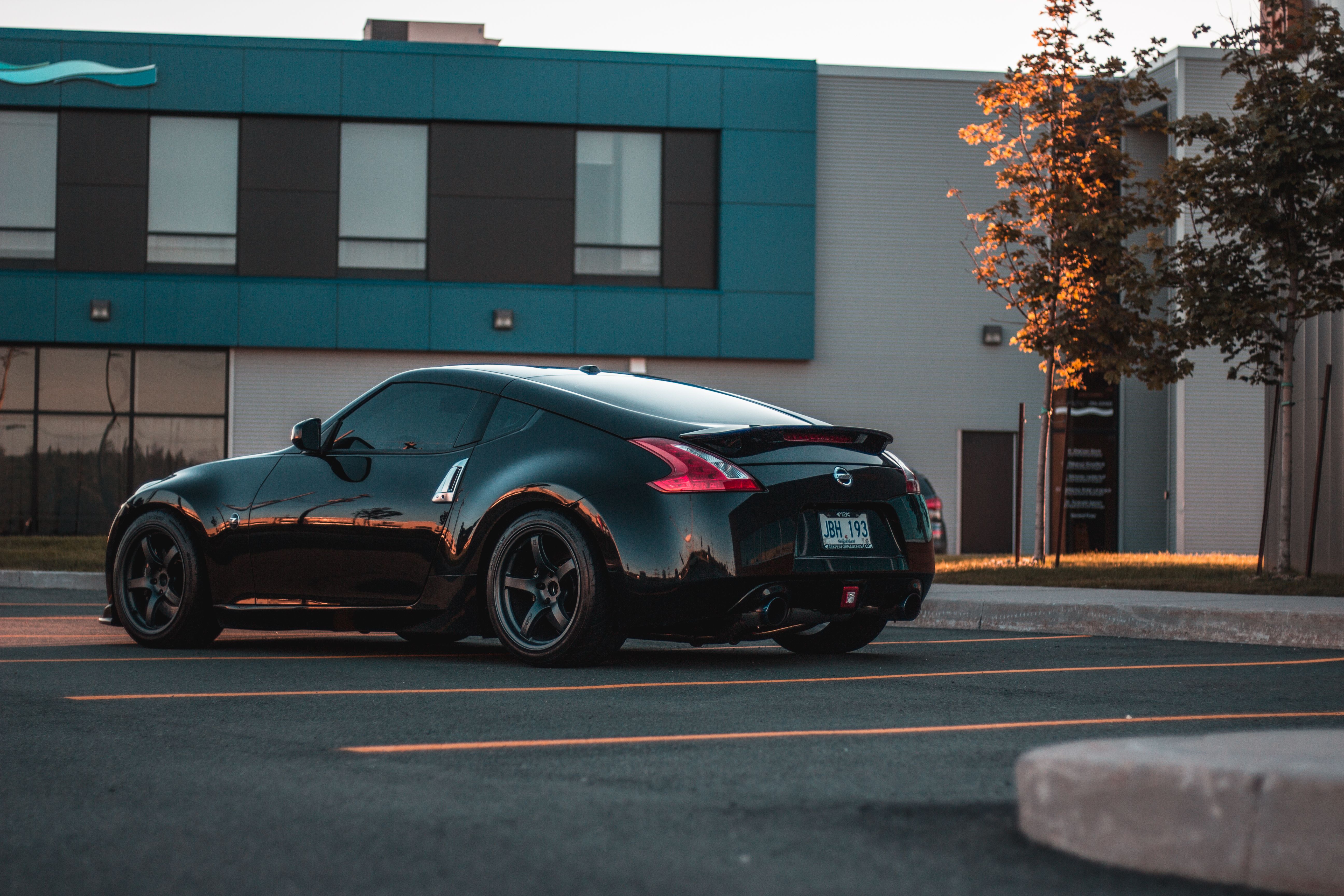
Straight answers about tinting a car — what the numbers mean, what the law allows, and what to ask before anyone touches your glass.
Most of what goes wrong with a tint job is decided before the film comes off the roll — the wrong shade for the law, a film chosen for how dark it looks rather than what it rejects, or an installer in a hurry. These are the questions we're asked most, answered properly.
If yours isn't here, ask us directly. You can also compare every film in the tint simulator and take the result to an installer.
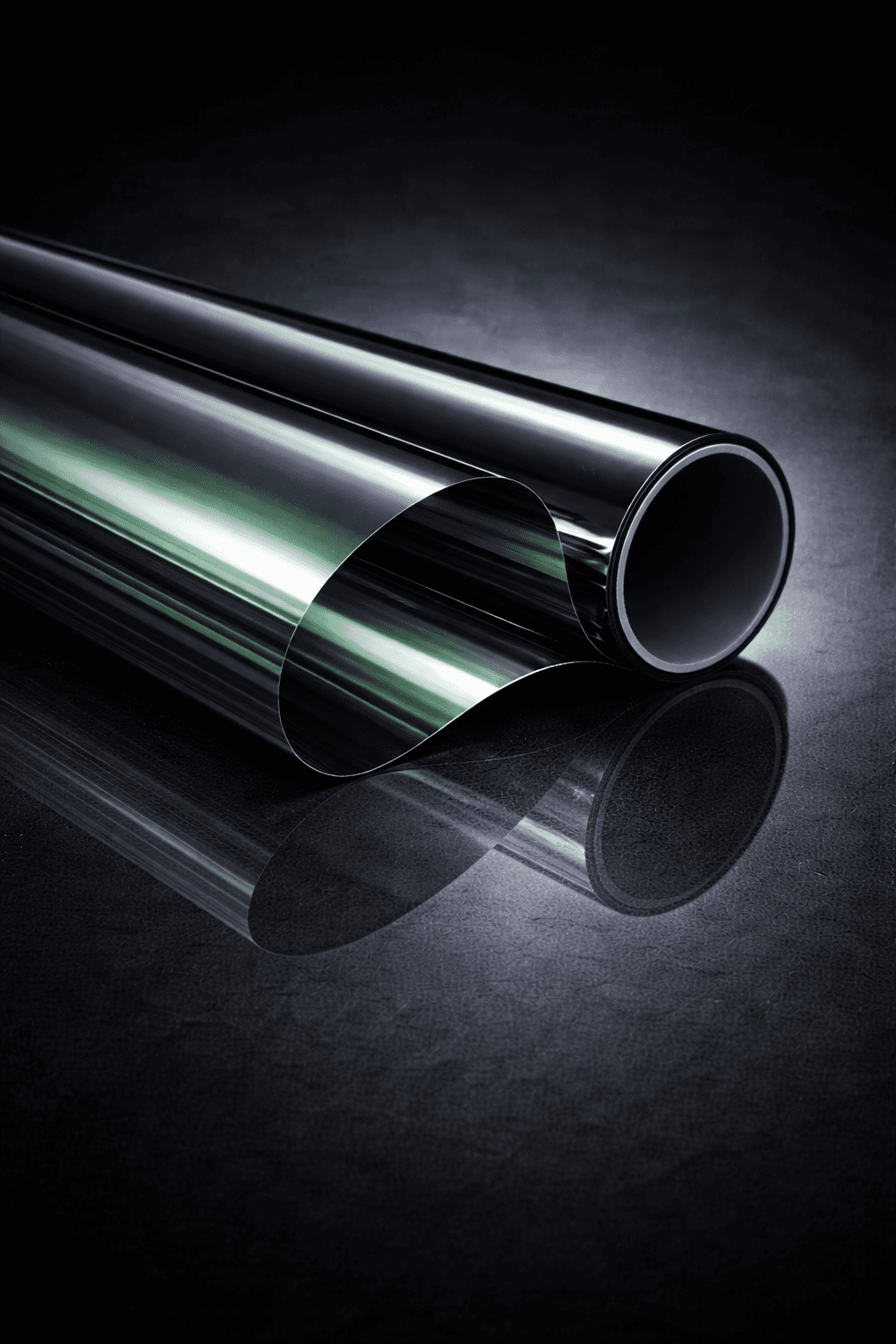
Four series — NEO, UV 400, Steel, Black — across 13 shades and three constructions. NEO and Black are nano carbon, UV 400 is nano carbon with Chip Technology, and Steel is metallised. Every shade's performance data is published on this site.
It's how the film is built, and it decides how it handles heat, how it looks and whether it affects your electronics:
Not reliably, and this is the single most common misconception. Darkness is visible light; heat is mostly infrared, and the two are engineered separately. Our clearest film, NEO 20 at 62% VLT, rejects 92% of infrared — more than several of our much darker shades. Choose the shade by how much light and privacy you want, then compare the heat figures rather than assuming.
Start from what's actually bothering you. If it's heat above everything, Steel rejects the most. If you want privacy and a deep black without touching your signals, look at Black or UV 400. If the law is strict where you drive or you're filming a windshield, the clear end of the NEO range is the one. An installer can measure your glass and narrow it further.
Use the tint simulator. Put any shade on a car, look at it from outside and from the driver's seat, then download the configuration as a PDF to take to an installer.
Technically all of them — windshield, front sides, rear sides, rear screen and the visor strip along the top of the windshield. What you're allowed to fit is a separate question from what's possible, and it differs by country.
JPJ sets minimum visible light transmission: at least 70% VLT on the front windscreen and at least 50% on the front side windows. Rear side windows and the rear windscreen have no minimum for private cars. Penalties for a first offence run to a fine of up to RM2,000 or up to six months' jail. Medical exemptions exist and are applied for through JPJ. Confirm the current limits before you book — they have been amended before.
There is no single nationwide VLT figure equivalent to Malaysia's, and in practice enforcement varies by region and by situation. That is not the same as there being no rules, so ask your installer what is actually enforced where you drive rather than assuming the rear-glass freedom extends to the front.
No, and this catches people out. The number on the film is measured on the film alone. Once it's on glass, the glass and the film multiply — factory glass already absorbs some light, and many cars have tinted rear glass from the factory. The installed figure is always lower than the film's rating. If you're anywhere near a legal limit, have the installer measure the finished glass with a VLT meter and put the reading on your invoice.
No — and this matters more than it sounds. Automotive film is built for the toughened, curved, relatively thin glass in a car. On architectural glazing, particularly large panes and sealed double-glazed units, the heat an automotive film absorbs can build up thermal stress and crack the glass. Use architectural film on buildings; it's a different product for a reason.
Across the range, up to 93% of infrared and up to 77% total solar energy. TSER is the figure to compare between films — it accounts for the whole solar spectrum rather than one slice of it. Every shade's numbers are published, including the ones that aren't flattering.
It slows the heat build-up and lowers the peak the cabin reaches, so the car is less brutal when you get in and the air conditioning clears it faster. It doesn't refrigerate a parked car — nothing applied to glass does. A sunshade on the windshield still helps.
Yes, and this is the least visible benefit but arguably the most valuable. Spectrum film blocks 99% of ultraviolet, and UV 400 blocks it outright at 100%. That's the part of sunlight that cracks a dashboard, bleaches upholstery, hardens leather and reaches the skin through side glass — drivers routinely take far more sun on one arm than the other.
Only metallised film can. Steel contains metal layers that reflect radio as well as heat, so on a fully wrapped car it can weaken reception, GPS accuracy, keyless entry, toll transponders and radar-based driver assistance. The nano carbon and clear films are non-conductive and do nothing to signals at all. A common compromise is Steel on the rear glass and a non-metallic film up front.
Glare from headlights and wet roads is reduced, which is easier on the eyes. But a dark film cuts your night vision as well — that's precisely why front-glass limits exist. If you drive a lot at night, err lighter on the front than you otherwise would.
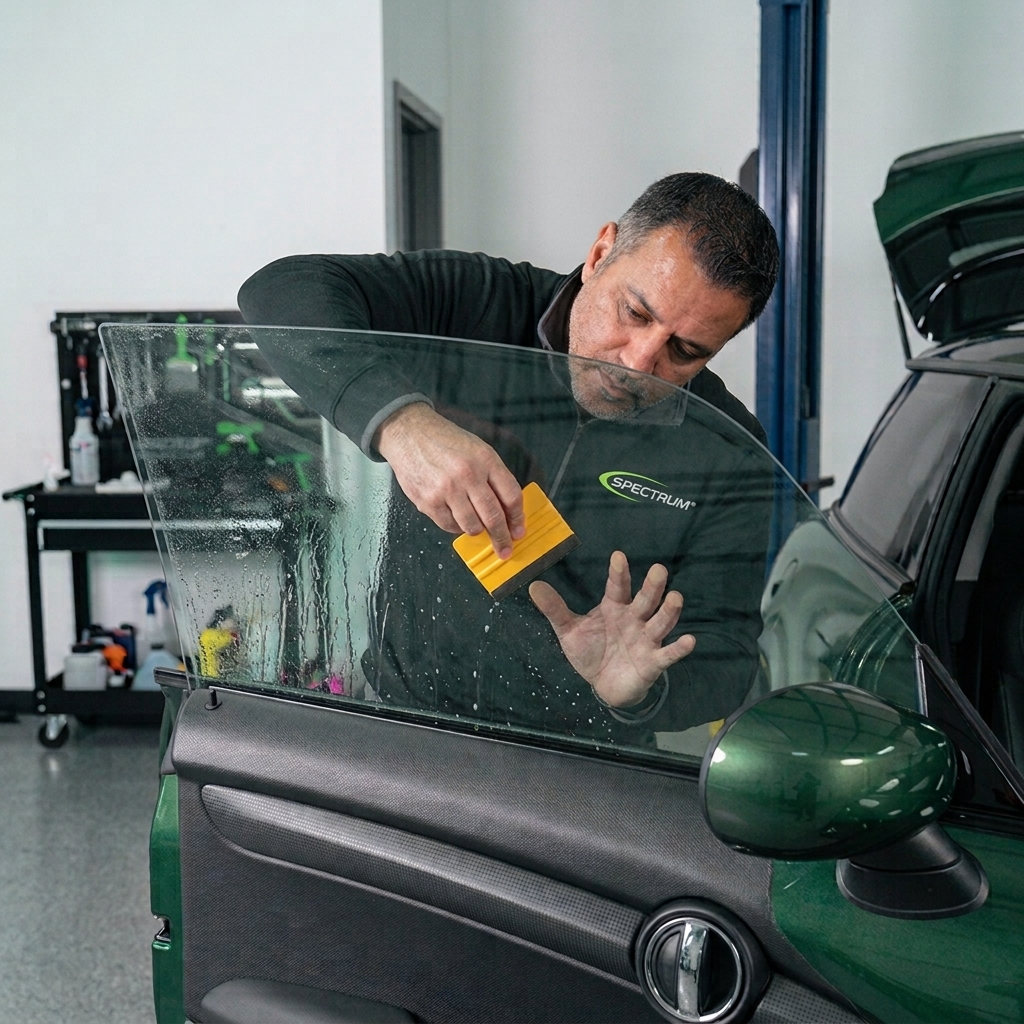
Inside. Automotive film is applied to the interior face of the glass, where it's protected from weather, car washes and road grit.
A typical car is a few hours. Complex rear screens with heavy curvature, and removing old film first, both add time. Ask for a realistic estimate rather than a best case, particularly if you're waiting for the car.
That's the mounting solution still evaporating out through the film, and it's normal. In Indonesian humidity it can take a few days to a few weeks depending on the film and the weather. Don't press the bubbles or squeegee them — they clear on their own. Keep the windows up for the first few days so the edges can set.
Wait until it's fully cured, then clean normally with a soft cloth or non-abrasive paper towel. Ammonia-based cleaners are the one thing to avoid over time. Be careful with the window edges and with anything hard or metallic — the film is scratch-resistant, not scratch-proof.
Yes, and it should be removed properly rather than fitted over. Heat and the right solution lift both the film and its adhesive without damaging the glass. Rear screens need particular care because of the defroster lines printed on the inside face — a rushed removal is how those get broken.
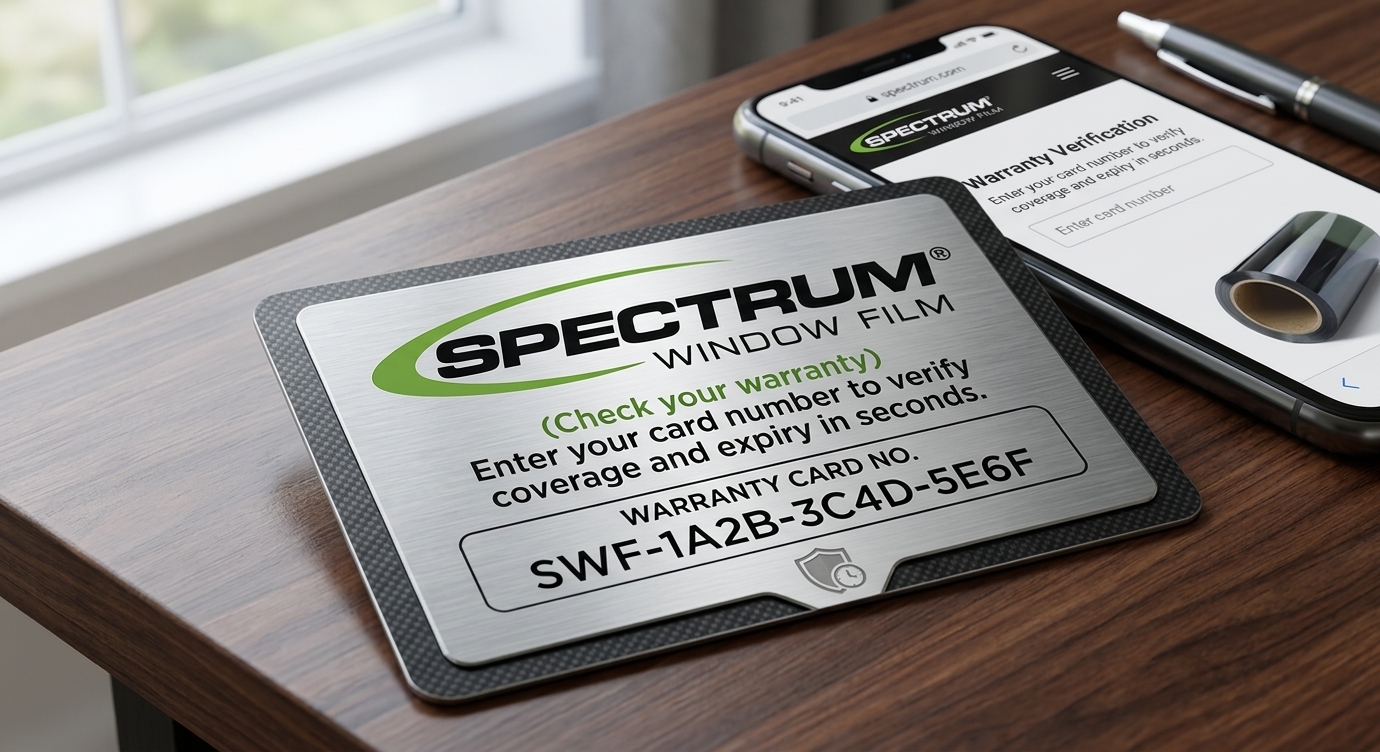
Yes — a 5-year manufacturer's limited warranty across the range. Every production batch is traceable from roll to warranty card, so a claim can be tied back to the run the film came off. Keep the warranty card and invoice from your installer; they're what a claim starts from.
Purple film and widespread bubbling are what cheap dyed film does when its dye and adhesive break down under UV. Spectrum film takes its colour from carbon or metal layers rather than dye, so there's nothing in it to degrade that way. If it does happen, that's a warranty conversation — go back to your installer with the card.
Through 66 authorised installers across Indonesia. The dealer locator maps all of them, and the film is only as good as the fitting, so it's worth using one.
We don't sell film for self-installation and wouldn't recommend it. Cutting curved glass to shape, working dust-free and shrinking film to a rear screen are all skills, and a self-fitted installation isn't covered by the warranty. The film is rarely the expensive part of a bad tint job.
Put every film on a car, look out through it from the driver's seat, and download the configuration as a PDF. Then let an installer measure your glass — the finished number is the one that counts.
Tint regulations change and are enforced differently by region; the summaries here are a guide, not legal advice — confirm current limits with the relevant authority or your installer before booking. Performance figures are laboratory values for the film itself; results on your vehicle depend on the glass it's applied to.