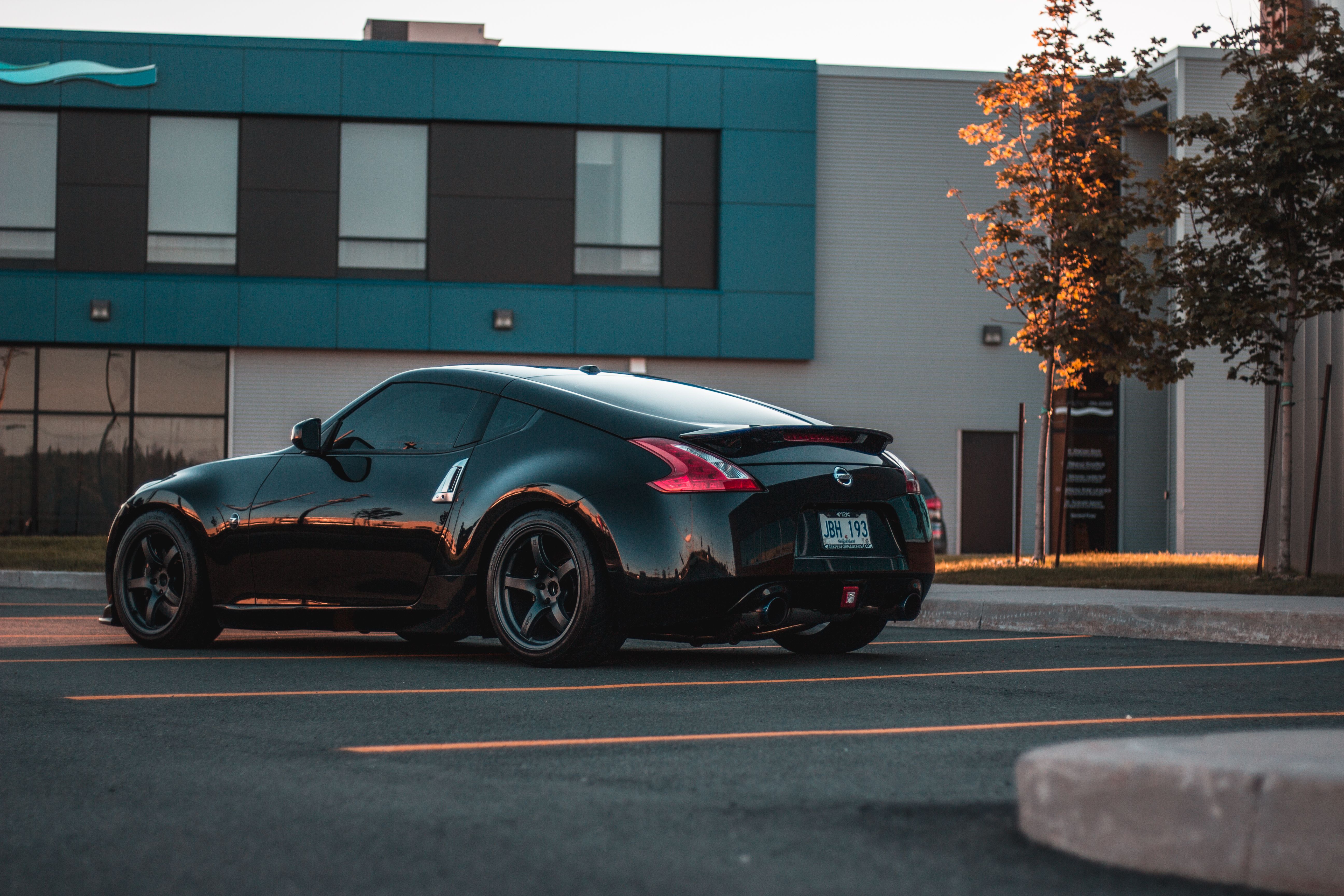
The film you choose for how the car looks and how little anyone can see into it.
Every film on this site rejects heat and blocks ultraviolet. Spectrum Black is the one you pick when the look matters as much as the numbers — a deep, rich black that reads as intent rather than as an accessory, and privacy strong enough that what's on the back seat stays your business.
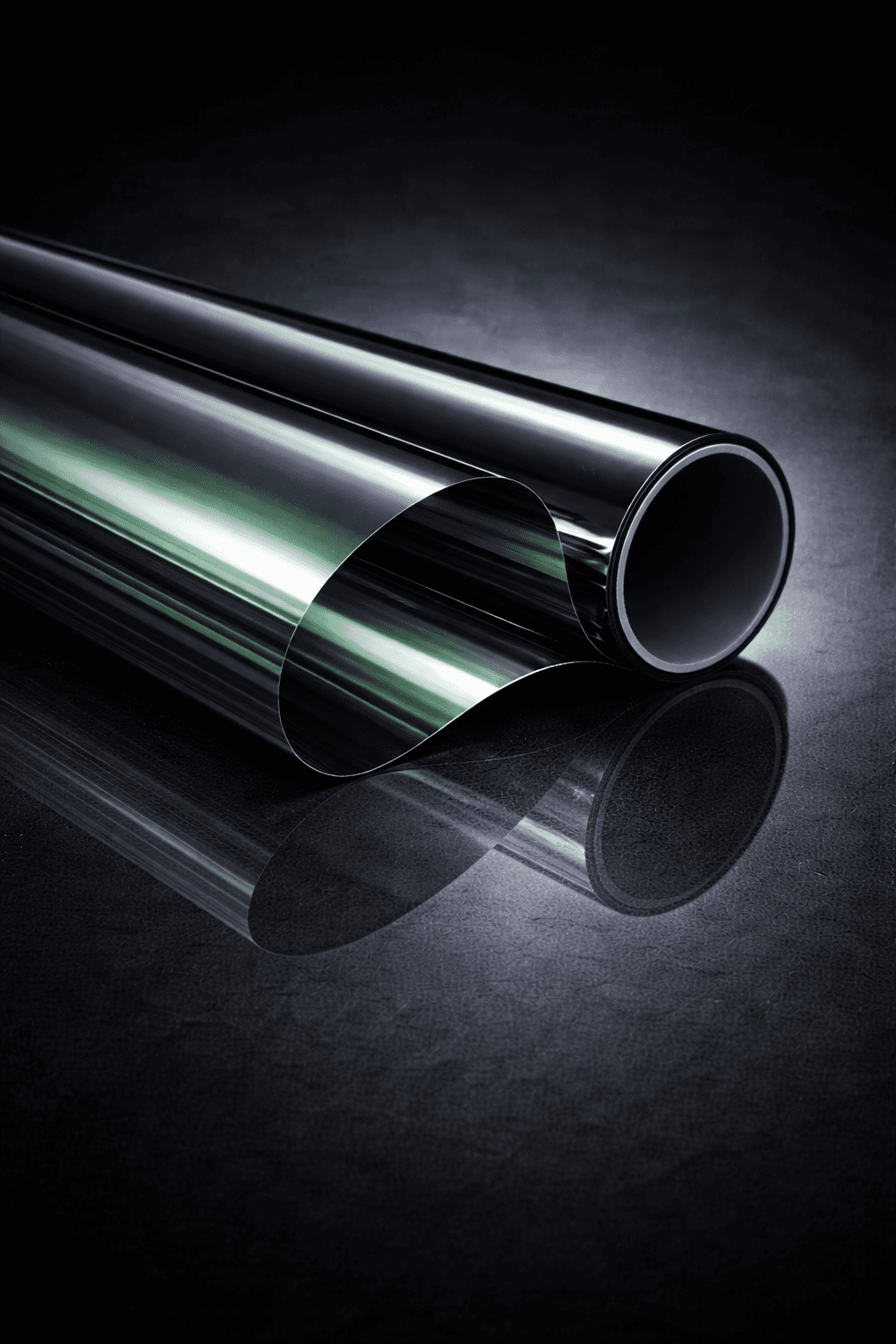
It's a nano carbon construction, so the colour comes from carbon dispersed through the film rather than a dyed layer. There is nothing in it for the sun to break down, which is why it holds its black instead of drifting purple, and nothing metallic in it either, so your signals are untouched. The full performance data is below, and downloadable.
Not a flat grey that reads as black from a distance. Spectrum Black is a true deep black at every shade, with the same finish from the lightest to the darkest.
Black 80 passes just 6% of visible light — near-limo, and about as much privacy as a car can legally carry in most places.
Across every shade. That's the part of sunlight that cracks dashboards, bleaches headliners, hardens leather and reaches skin through side glass.
Nano carbon is non-metallic and non-conductive. Phone reception, GPS, Bluetooth, keyless entry and toll transponders all behave exactly as before.
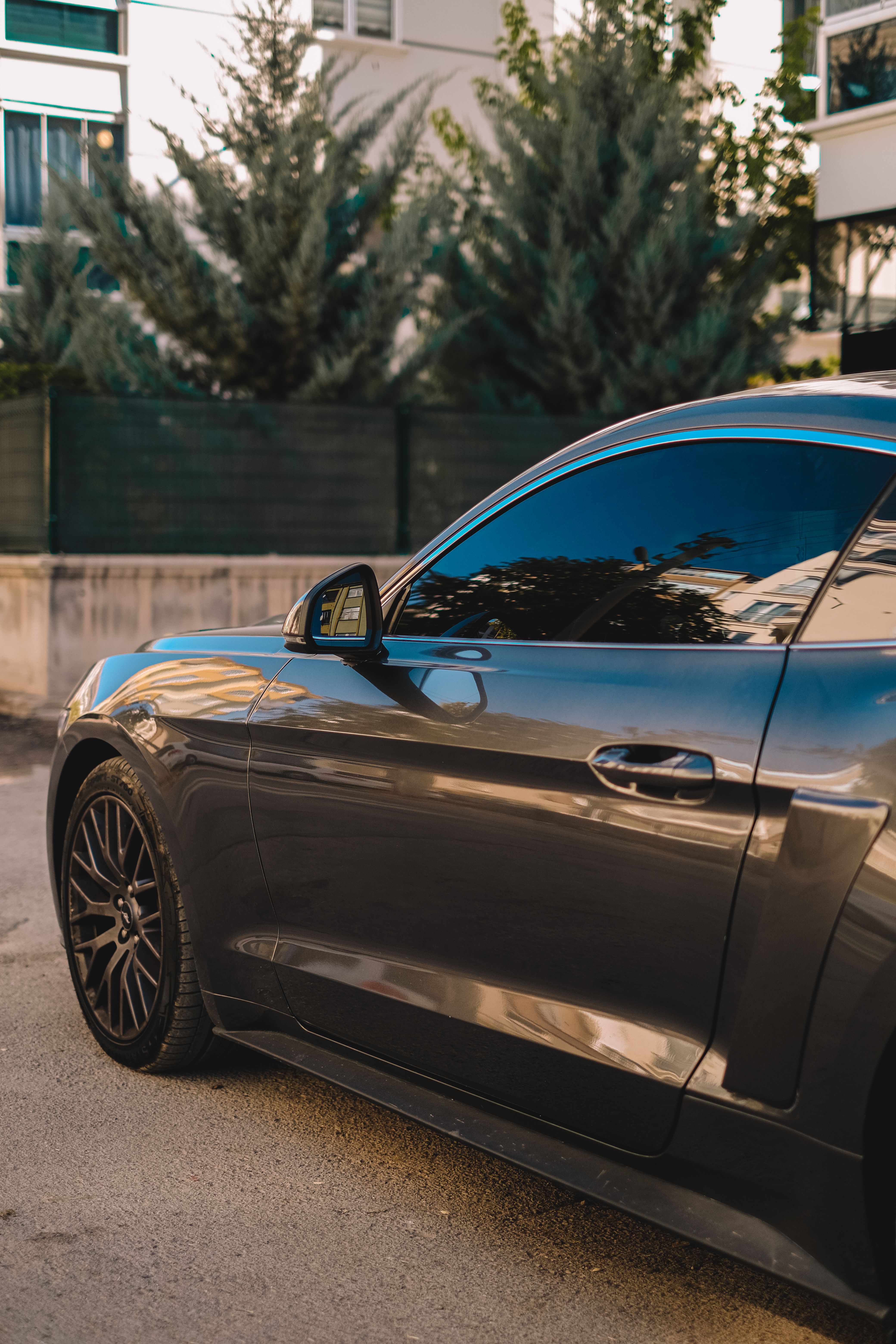
Black comes in 3 shades, from 40 at 26% VLT down to 80 at 6%. The finish is identical across all three; what changes is how much light gets through and how little anyone can see in.
Choose by how private you want the car to be and what the rules allow where you drive, then check the heat figures rather than assuming — they don't climb evenly with darkness, and the table below shows exactly where each shade lands.
They're the two deep-black nano carbon films, so this is the question most people actually have. Same construction, same matte finish, no signal interference from either — here is where they differ, shade for shade.
| Shade | Spectrum Black | Spectrum UV 400 | ||||||
|---|---|---|---|---|---|---|---|---|
| VLT | UVR | IRR | TSER | VLT | UVR | IRR | TSER | |
| 40 | 26% | 99% | 73% | 63% | 26% | 100% | 65% | 59% |
| 60 | 16% | 99% | 56% | 58% | 15% | 100% | 64% | 63% |
| 80 | 6% | 99% | 62% | 65% | 5% | 100% | 64% | 63% |
You want the look and the privacy, and you're fitting the lighter end of the range. At shade 40 it rejects more heat than UV 400 does — 73% infrared against 65%.
You want ultraviolet stopped outright rather than at 99%, you want the darkest glass we make, or you want a view from the driver's seat that stays completely neutral. See UV 400.
We publish the numbers for every shade so you can compare them yourself. Download the sheet, or take it straight to an installer.
Values are measured on the film and calculated for single-pane, nominal 3 mm clear glass. Figures are taken from representative product samples and are subject to normal manufacturing variance; actual performance on your vehicle varies with the glass it is applied to.
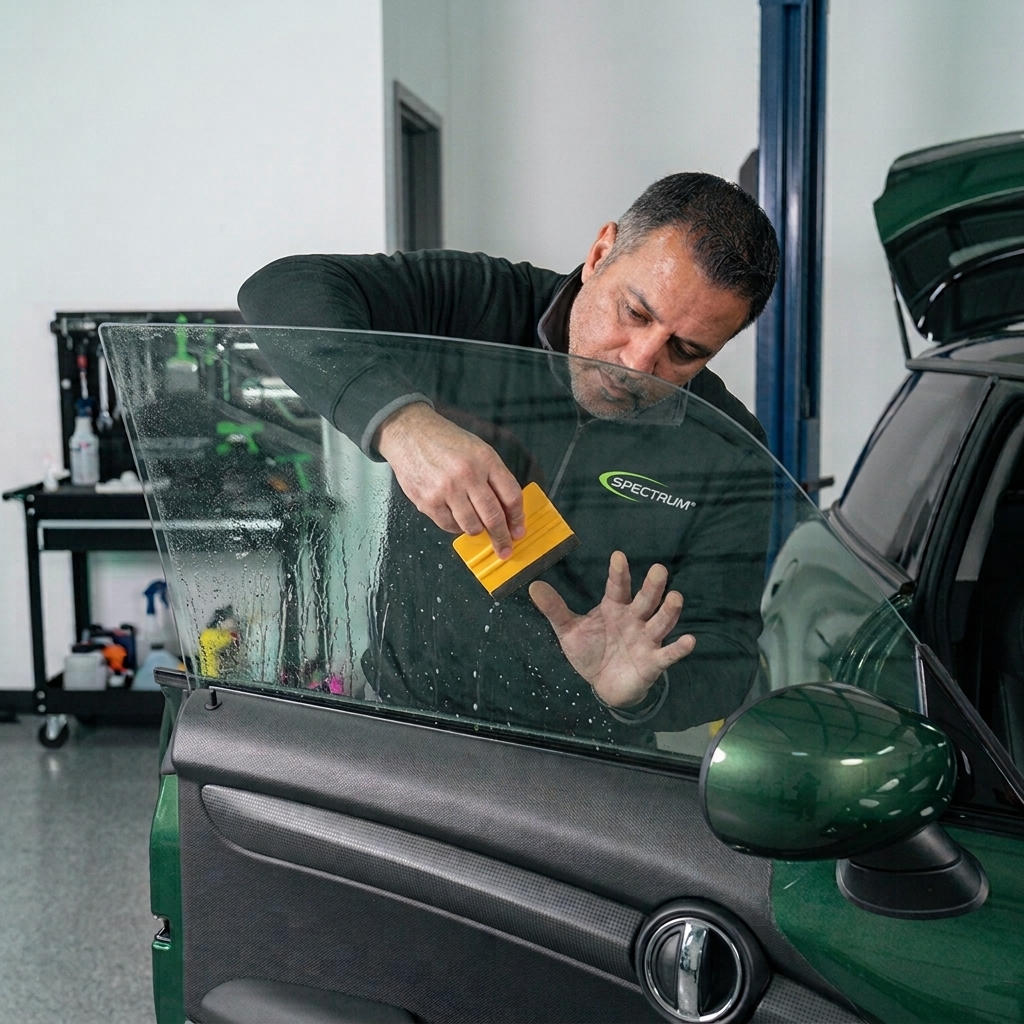
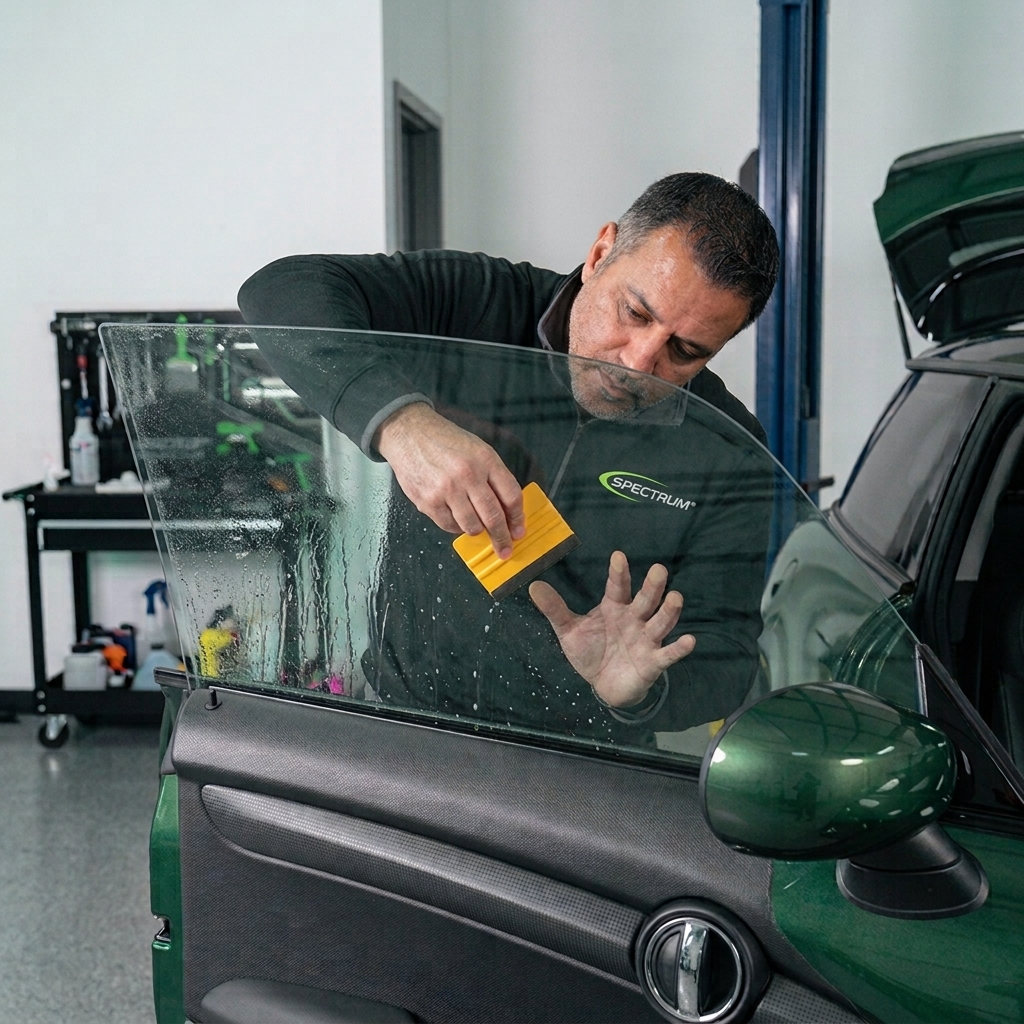
6% VLT sounds dark on paper and looks different on glass. Put each shade on the car, look out through it, then take the result to an installer.
Performance figures are laboratory values for the film itself; results on your vehicle depend on the glass. Some tint levels are restricted on windshields and front windows — ask a Spectrum installer about the rules where you drive.